


Choosing the right bathroom tiles is a mix of style, functionality, and safety. Here’s what you need to know:
- Materials: Porcelain is dense, water-resistant (≤0.5%), and ideal for wet areas like showers. Ceramic is cost-effective and great for walls or low-traffic areas. Natural stone (e.g., marble, travertine) adds elegance but requires more maintenance.
- Safety: Matte or textured finishes provide better grip on wet floors, while glossy tiles can be slippery.
- Styles: Subway tiles remain timeless, while 2026 trends include large-format tiles, checkerboard patterns, and textured designs like Zellige or fluted tiles.
- Colors: Warm tones (beige, terracotta, sage green) are replacing cool grays. Tile drenching – using the same tile across walls and floors – creates a spa-like effect.
- Practical Tips: Test tiles in your bathroom lighting, buy 10–15% extra for repairs, and stick to 2–3 tile styles for a cohesive look.
Whether you’re after a modern, rustic, or classic vibe, understanding tile materials, finishes, and trends will help you design a space that’s stylish and durable.
A Designer’s Guide to Choosing Bathroom Tile
sbb-itb-e0ea4e0
Popular Bathroom Tile Styles and Patterns
Tile patterns can completely change the feel of your bathroom, adding depth, movement, or texture. Let’s explore some of the most talked-about trends.
Subway Tiles
Subway tiles are a timeless choice that offers a lot of flexibility in design. If you have a narrow bathroom, laying the tiles horizontally can make the space feel wider. On the other hand, a vertical layout draws the eye upward, giving the illusion of higher ceilings.
"Running tiles horizontally widens and elongates a room, making it ideal for narrow bathrooms or tight shower zones." – Tennille Joy Burnup, Founder, Tennille Joy Interiors
For something more dynamic, herringbone or chevron patterns create a sense of movement and work beautifully as accents, whether behind a vanity or in a shower niche. You can also mix things up with alternating layouts, like a grid-stack pattern, for a bold, graphic effect. To refine the look, match the grout to the tile for a seamless appearance, or use a contrasting grout to make the pattern stand out.
In 2026, designer Julie Howard demonstrated this approach by pairing Whisper Grey grout with Ashford Carrara marble floor tiles. The result was a harmonious blend of white subway tile walls and the luxurious texture of natural stone.
If you’re feeling adventurous, consider stepping beyond subway tiles into bolder designs like checkerboard or geometric patterns.
Checkerboard and Geometric Patterns
Checkerboard floors are making a stylish return, but with a modern twist. Instead of the classic black-and-white pairing, designers are opting for unexpected color combinations like turquoise and walnut or cream and taupe. These fresh palettes breathe new life into the traditional layout.
Geometric tiles are also gaining popularity. Hexagons, whether standard, elongated, or picket-shaped, create a honeycomb effect that feels lively and contemporary. Penny rounds offer another option, allowing for creative custom patterns while also providing extra grout lines for better traction – perfect for shower floors. Cross and star motifs are another way to add flair without overwhelming smaller spaces.
A great example comes from Timber Trails, where Penny Round Gloss White tiles were paired with Penny Round Cloudy tiles to craft a unique and personalized bathroom floor. These small mosaics show how even subtle patterns can make a big impact.
For a more understated yet tactile approach, fluted and textured tiles bring a whole new dimension to bathroom design.
Fluted and Textured Tiles
Fluted and textured tiles are all about adding depth without relying on bold colors. These tiles often feature raised details – like thin ridges or 3D sculptural patterns – that create interesting shadows as the light changes throughout the day. They’re perfect for areas like vanity walls or shower panels, where a little extra detail can make the space feel special.
Zellige-style tiles, with their handmade look and uneven edges, are especially popular. Their glossy, "watery" finish reflects light in a way that feels both organic and luxurious. In one standout design, West Bay Homes paired Atlanta White porcelain wall tiles with Claros Silver travertine floor tiles. The result was a beautiful mix of natural stone elegance and porcelain durability.
"Mix a glossy Zellige-style wall with a matte floor tile. The contrast keeps the bathroom from feeling too shiny and improves grip underfoot." – Original Mission Tile
These textured and patterned options not only elevate the design but also enhance safety. When working with intricate layouts, it’s smart to order 10–15% extra tile to account for cuts and any unexpected needs [10].
Bathroom Tile Colors and Current Trends
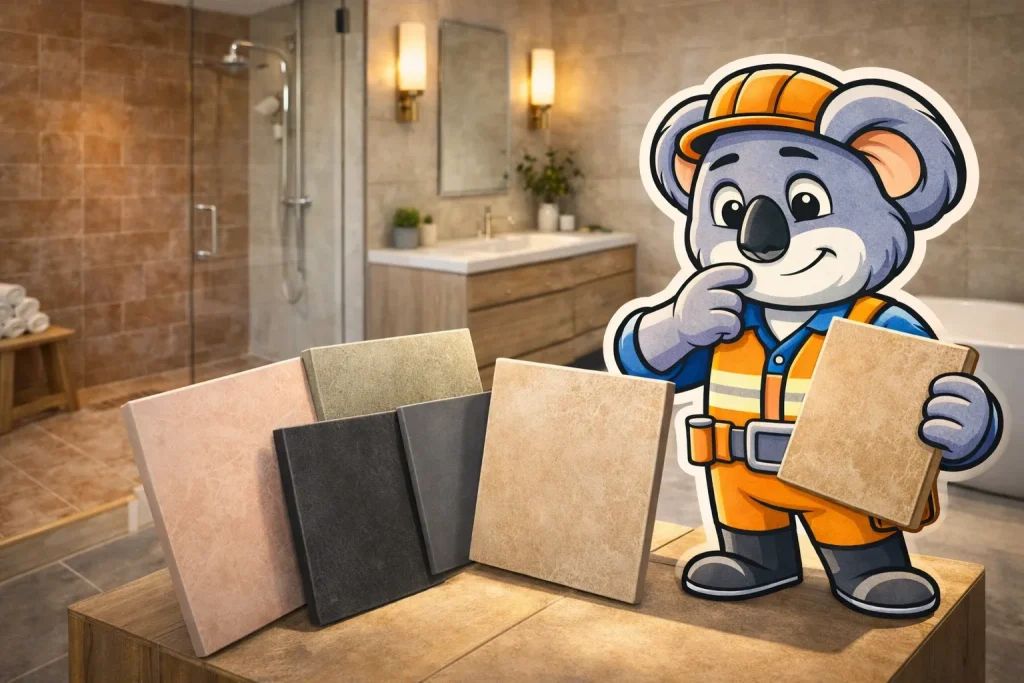
This section dives into how current color trends are transforming bathroom design, focusing on the use of white, black, green, and pink tiles.
Your choice of tile color sets the tone for the entire space. In 2026, there’s a noticeable move away from cool grays, with warmer, earthy tones like soft beige, taupe, clay, and muted terracotta taking center stage [7]. These shades create a cozy, adaptable environment, ideal for both modern and classic styles.
"Do you want a five-star hotel experience, or something warm and grounded? That mood sets your palette." – Tennille Joy Burnup, Founder, Tennille Joy Interiors [11]
A standout trend is tile drenching, where the same color or material is used across floors, walls, and shower areas for a smooth, spa-like appearance [1]. While this technique works beautifully with neutral tones, it’s also gaining traction with bolder colors like sage green or blush pink for a striking effect.
Lighting plays a big role in how tiles look in your space, so it’s wise to test 4–6 samples in your bathroom [10][11]. Medium-toned tiles, such as beige or tan, are practical choices as they mask dirt and water spots better than bright white tiles [2]. Stick to two or three colors in your palette, using bold shades sparingly as accents [10][5]. For more tips on choosing tiles during a remodel, check out our complete bathroom remodel guide.
Below, we explore how different tile colors can shape your bathroom’s style and functionality.
White Tile Bathrooms
White tiles are timeless, offering a clean and serene vibe. The trend is shifting from stark, bright whites to warmer tones like bone, almond, and oat, which feel more welcoming and pair effortlessly with natural wood vanities and brushed nickel finishes [10][7].
For a classic look, Carrara Bianco marble provides subtle veining that adds texture without dominating the space [1][11]. White subway tiles remain a favorite, especially with contrasting grout to emphasize the layout. In smaller bathrooms, large-format white tiles reduce grout lines, making the room feel more spacious [7].
"Creams, tans, and off-whites tend to age well. People get tired of [bold reds and yellows] quickly, and darker colors show every bit of dirt and wear." – Brittny Button, Founder, Button Atelier [11]
To prevent a sterile appearance, add warmth with lighting, towels, and hardware. Glossy white wall tiles reflect light to brighten tight spaces, while matte white flooring provides better grip and hides water spots [10].
Black Tile Bathrooms
Black tiles bring bold contrast and a touch of sophistication, especially in modern or industrial-style bathrooms. Matte black finishes are trending in 2026 for their velvety texture, which feels less commercial than glossy black and is better at hiding fingerprints and dust [6][2][10].
Black tiles are often used to anchor a design – whether you’re looking for bathroom floor tile ideas or in classic checkerboard patterns – creating striking contrast with white walls or marble accents [10][5]. Pairing black tiles with warm metallics like brass, gold, or copper keeps the space from feeling too stark [3]. In smaller bathrooms, use black sparingly, such as on an accent wall or floor, to maintain balance. Larger spaces can handle full black tile drenching across walls and floors for a moody, high-end retreat.
Green Tile Bathrooms
Green tiles are surging in popularity, with shades like sage, emerald, and olive leading the way [10][1]. These natural tones are perfect for creating a relaxing, spa-like atmosphere. Sage green offers a soft, contemporary feel that pairs well with light oak vanities, while emerald green adds richness and depth.
Olive green works beautifully in rustic or boho-inspired spaces, especially when combined with terracotta accents and warm wood elements [10][6]. Green tiles are practical too, as they effectively hide water spots and soap residue. For added dimension, try fluted jade green tiles on a vanity wall [1]. Alternatively, use green tiles as a feature wall in the shower to make a statement without overpowering the room.
Pink Tile Bathrooms
Pink tiles are making a comeback, moving beyond vintage looks to more modern, refined designs. The key is to opt for blush, rose, or pastel shades rather than bold, saturated pinks [3][1]. Carrara Rosa Pink, a marble-effect tile with delicate pink veining, introduces subtle color while maintaining a sophisticated feel [1].
Fluted pink tiles are a favorite for midcentury modern designs, especially when paired with white marble countertops and polished chrome fixtures [1]. For a retro vibe, combine pink tiles with soft cream grout or gray veining for a balanced and timeless aesthetic.
Pink tiles work best as accents – think a shower niche, vanity backsplash, or feature wall. Pairing them with warm metallic accents like brass or gold adds a polished touch and creates a soft, glowing effect [10]. In smaller spaces, large-format pink tiles minimize grout lines, helping the room feel open and airy.
Bathroom Tile Materials and Finishes
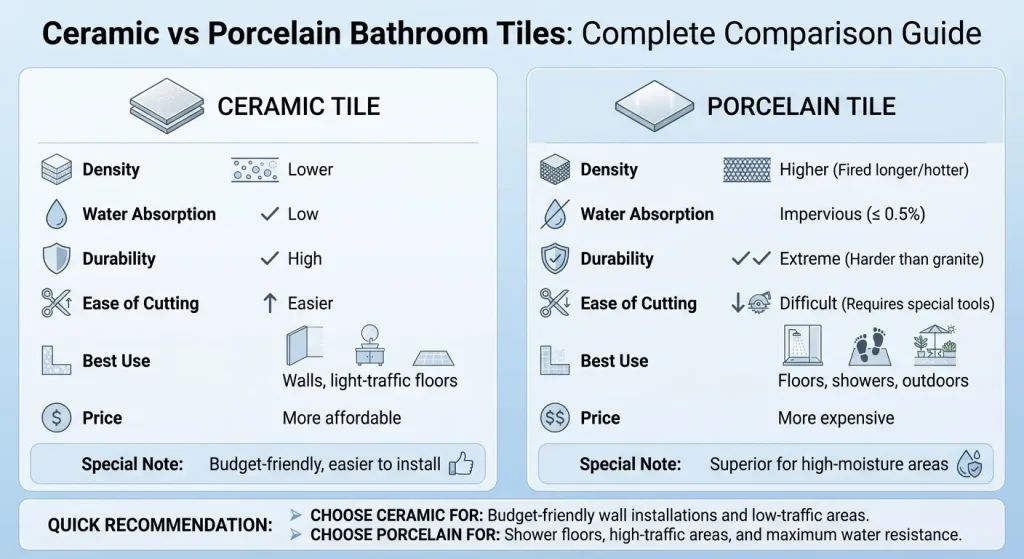 Choosing the right tile materials is key to ensuring your bathroom stands the test of time while maintaining safety and style. Porcelain and ceramic tiles are the go-to options for most homeowners because they’re durable, moisture-resistant, and cost-effective. For a more luxurious feel, natural stone tiles offer unmatched elegance but require extra care. The finish you select also matters – it affects safety, cleaning ease, and overall aesthetics.
Ceramic vs Porcelain Tiles
While ceramic and porcelain tiles share similarities, they have distinct differences. Porcelain tiles are fired at higher temperatures, making them denser and achieving a water absorption rate of 0.5% or less [4]. This makes porcelain ideal for high-moisture areas like shower floors.
Ceramic tiles, on the other hand, are more budget-friendly and easier to cut, making them perfect for walls, backsplashes, and areas with lighter foot traffic [4]. Both types are low-maintenance, requiring just regular cleaning with soap and water, plus occasional regrouting to keep them in top shape [12].
| Feature | Ceramic Tile | Porcelain Tile |
|---|---|---|
| Density | Lower | Higher (Fired longer/hotter) |
| Water Absorption | Low | Impervious (≤ 0.5%) [4] |
| Durability | High | Extreme (Harder than granite) [4] |
| Ease of Cutting | Easier | Difficult (Requires special tools) [4] |
| Best Use | Walls, light-traffic floors | Floors, showers, outdoors [4] |
| Price | More affordable | More expensive |
Porcelain’s higher cost and the need for specialized tools during installation may increase labor expenses [4]. However, its superior density and scratch resistance make it a worthwhile investment for heavily used floors.
If you’re looking for something beyond engineered tiles, natural stone options bring a unique charm but come with their own set of care requirements.
Natural Stone Tiles
Natural stone tiles like marble, granite, travertine, and slate offer one-of-a-kind textures and colors, as no two pieces are exactly alike. Travertine, with its warm, earthy tones, continues to be a favorite in 2026 [6]. Marble, known for its dramatic veining, creates a serene, spa-like ambiance, while slate’s textured surface provides excellent slip resistance for flooring.
"Anything that will age beautifully, rather than feel dated quickly." – Thomas Hamel, Principal, Thomas Hamel & Associates [11]
Natural stones are porous and require a waterproof membrane during installation [13]. Following a bathroom renovation checklist can help ensure these technical steps aren’t missed. They also need resealing at least once a year to prevent water damage and stains [13][14]. Stick to pH-neutral cleaners to avoid etching or permanent damage. Costs vary widely: slate ranges from $4–$25 per square foot, travertine $3–$10, marble $15–$85, and granite $5–$140 [2].
Granite, the hardest natural stone, is perfect for high-traffic areas. Meanwhile, marble is better suited for walls and vanities, showcasing its elegant veining without the risk of scratches. If you’re planning a remodel, think about how your stone choice will impact your budget and maintenance routine.
Slip-Resistant and Textured Finishes
In 2026, matte and honed finishes are taking over from glossy tiles, which can become dangerously slippery when wet [6]. Matte tiles not only enhance traction but also resist water spots and scratches better than polished finishes [2]. This trend isn’t just about looks – it’s a practical choice for safety.
"Glossy finishes can get very slick when they are wet, making your luxurious bathroom a health hazard." – House Digest [6]
For shower floors, smaller tiles like mosaics or penny rounds are a smart choice. The extra grout lines improve grip, reducing the risk of slips [5]. Textured tiles, such as fluted or reeded designs, add depth and visual interest by playing with light and shadow [9][6]. However, avoid deeply textured tiles in showers, as they can trap soap scum and become tough to clean.
Slate’s naturally uneven surface makes it a great slip-resistant option for bathroom floors. Always test tile samples in your bathroom lighting – matte and textured finishes can look very different under warm versus cool bulbs.
Floor vs Wall Tile Applications

Not all tiles are created equal – what works beautifully on walls may not perform well on floors. The differences boil down to durability, slip resistance, and moisture exposure. Knowing these factors can help you pick the right tile for each surface while keeping your bathroom functional and visually appealing.
Porcelain tiles are the top choice for floors. They’re fired at higher temperatures, making them denser and tougher than ceramic. This durability allows them to handle heavy foot traffic and resist moisture without chipping [11]. On the other hand, ceramic tiles are better suited for walls, where strength isn’t as critical [11]. While glass tiles can add a dramatic effect to walls, they’re too delicate for floor use [2]. These distinctions highlight the importance of choosing tiles based on the demands of the surface they’ll cover.
"Porcelain tiles are softer to walk on and more durable due to being baked at a higher temperature. Ceramic tiles are best used for backsplash or feature walls, as they’re not quite as sturdy."
– Tennille Joy Burnup, Founder, Tennille Joy Interiors [11]
For bathroom floors, slip resistance is non-negotiable, especially in wet areas like showers. Tiles with matte or honed finishes provide better traction compared to polished ones, which can become slippery when wet [2]. For shower floors, smaller tiles or mosaics are ideal. The extra grout lines between these tiles improve grip and reduce the risk of slipping [5]. Wall tiles, however, don’t require the same level of friction, giving you the freedom to experiment with decorative finishes that play with light and texture.
Design trends also play a role in how tiles are used across surfaces. A growing trend for 2026 is to use large-format tiles that flow seamlessly from shower walls to the bathroom floor, creating a spa-like atmosphere [7]. This approach reduces grout lines, making cleaning easier and visually enlarging small spaces. You can also use tile orientation to define specific zones in your bathroom. For example, try a vertical stack in the shower combined with horizontal tiles on the main floor for a layered, intentional look [11]. If you’re working with a tighter budget, consider pairing natural stone floors with marble-look porcelain walls to achieve a high-end aesthetic without overspending [8][16].
How to Plan Bathroom Tile in a Remodel
When planning a bathroom remodel, prioritize your tile selection before locking in paint colors or vanity finishes. Why? Tile is one of the most permanent design elements, and it’s far easier to match paint shades and cabinet finishes to your chosen tile than vice versa [18]. Making this decision early sets the tone for your design and ties into choices about style, color, and material. From there, focus on how your tile selection will work with key elements like the shower, bathtub, and vanity to create a cohesive look.
Coordinating Tile with Shower and Bathtub
For areas exposed to water, like shower walls, opt for vitreous tiles. These tiles have low water absorption, making them perfect for wet zones [2]. On the other hand, materials like terra-cotta or other nonvitreous tiles should be reserved for dry, decorative areas. For shower floors, smaller tiles or mosaics are a smart pick because they improve slip resistance [2][5].
One trend gaining traction for 2026 is tile drenching. This approach uses the same tile across shower walls, bathroom floors, and even the shower floor, creating a seamless, spa-like appearance [1][8]. It’s especially effective in smaller spaces, as it minimizes visual breaks and makes the room feel more expansive. Alternatively, you can define the shower area by stacking tiles vertically inside the shower and using horizontal tiles outside [11]. Another option is wood-look porcelain tiles for shower walls. They bring the warmth of natural wood into the bathroom without the upkeep challenges of real wood [17].
As you decide on tiles for wet areas, think about how these choices will interact with lighting and vanity elements to maintain a unified design.
Matching Tile with Vanity and Lighting
Lighting can dramatically change how your tile looks, so it’s essential to test cool-toned samples under your bathroom’s actual lighting conditions [11]. Evaluate how the tile pairs with your vanity and hardware throughout the day to ensure they complement each other seamlessly.
"Overhead lights with warm bulbs, for example, can completely shift a cool-toned tile. Test samples in place, morning to night."
– Tennille Joy Burnup, Founder, Tennille Joy Interiors [11]
For the wall behind your vanity, consider a bold or textured tile to act as a statement piece while keeping the surrounding walls more understated to maintain balance [15]. Keep in mind that any pattern behind the vanity will reflect in the mirror, effectively doubling its visual presence [19]. If your tile design includes metallic accents, such as gold or brass inlays, coordinate these with your vanity hardware and light fixtures for a polished, cohesive look [15]. To avoid a cluttered appearance, limit your bathroom to two or three main tile styles. This keeps the space visually harmonious and ensures your vanity remains a standout feature [5].
Final Tips and Planning Checklist
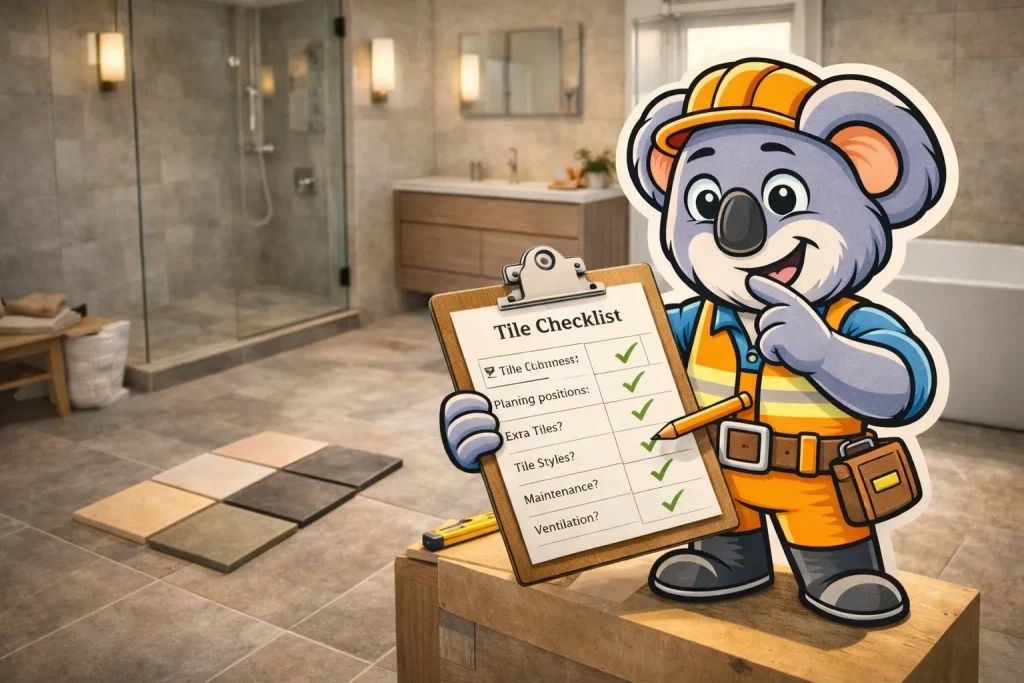
As you wrap up your remodel plans, here’s a handy checklist to help you choose the right bathroom tile for a design that’s both durable and visually appealing.
- Test tile samples in your space. Gather 4–6 tile samples and observe them in the actual installation area throughout the day [10][11]. Lighting plays a huge role in how tiles look – what seems bright white under showroom lighting might appear cream or gray under your bathroom’s warm bulbs.
- Buy extra tiles. Purchase 10–15% more than you think you’ll need to account for cuts, breakage, or future repairs [10]. This ensures you have a perfect match, as dye lot variations can make finding the same tile later nearly impossible.
- Stick to 2–3 tile styles. To avoid overwhelming the space, limit your design to a few key tile choices [5]. For instance, you could use a standout tile for the shower or a feature wall, pair it with a complementary floor tile, and add a small accent like a textured niche or a checkerboard entryway. Too many styles can make the room feel chaotic.
- Match tile to your maintenance preferences. Porcelain tiles are low-maintenance, while natural stone requires annual resealing and special cleaners [2][11]. If you’re looking to hide dirt and reduce cleaning frequency, medium-toned shades like beige or gray are more forgiving than stark white or black [2].
- Ensure proper ventilation. Even the toughest tiles and grout can suffer from constant moisture. Adequate airflow is key to preventing damage and maintaining your grout’s condition over time [10].
This checklist can guide you through the final stages of planning, helping you create a bathroom that’s both functional and stylish for years to come.
FAQs
What is the best bathroom tile for floors?
The best tiles for bathroom floors should be durable, water-resistant, and easy to maintain. Porcelain and ceramic tiles stand out as top choices because they can handle moisture effectively and are built to last. Plus, their low-maintenance nature makes them perfect for high-traffic spaces like bathrooms.
What are the most popular bathroom tile ideas right now?
Bathroom design in 2026 is all about mixing shapes, textures, and colors to create visually striking yet functional spaces. One standout trend is pairing contrasting tile shapes – like combining large rectangular tiles with intricate hexagon mosaics – to add depth and dimension.
Tiles inspired by nature are also making waves. Wood-look porcelain is a top choice for those wanting a spa-like vibe without sacrificing durability. When it comes to color, bold black-and-white combinations remain timeless, while earthy shades like sage green and emerald bring a calming, organic feel.
For a modern edge, large-format tiles are gaining popularity, offering a clean and seamless look. Textured patterns such as terrazzo and Zellige tiles are also in the spotlight, adding character and a touch of luxury to any bathroom space.
Is white tile bathroom design still in style?
White tile bathroom designs continue to hold their appeal, even in 2026. Their clean and versatile aesthetic pairs seamlessly with both modern and classic fixtures, making them a go-to choice for homeowners looking for a timeless style.
How do I style a black tile bathroom?
To style a black tile bathroom, opt for contrasting grout colors like white or gray to make the tile pattern stand out. Pair this with modern fixtures and well-placed lighting to achieve a sleek, contemporary vibe. To soften the boldness of black tiles, consider adding accent pieces or textured elements, such as a woven rug, wooden accessories, or metallic finishes. These details bring depth and visual interest, making the space feel both stylish and welcoming.
Are green tile bathroom designs trendy?
Green tile bathroom designs are making waves in home decor trends. Shades like sage and emerald are particularly in demand, creating a soothing, spa-like atmosphere. These earthy tones pair beautifully with modern bathroom styles, offering both elegance and tranquility.
What is the difference between ceramic and porcelain tile?
Ceramic tiles are crafted from clay and other natural materials, then glazed to enhance water resistance. They come in a variety of finishes to suit different styles. Porcelain tiles, a subtype of ceramic, are fired at higher temperatures. This process makes them denser, tougher, and more resistant to water, making them a great choice for moisture-prone areas. While both types are versatile, porcelain stands out for its durability, especially in spaces that experience heavy use.
How much does bathroom tile installation cost?
The cost of installing bathroom tiles generally falls between $10 and $30 per square foot. This price range depends on factors like the type of tile you choose and how complex the project is. For example, using premium materials or opting for intricate designs can push costs toward the higher end of the spectrum.
When should I search for bathroom tile repair near me?
When you see signs like cracked grout, loose tiles, or water damage in your bathroom, it’s time to consider tile repair. These issues can worsen if ignored, so it’s often best to consult a professional. They can assess the situation and help you decide whether repairing the tiles is the right move or if a full replacement might be necessary.
Is subway tiles bathroom design outdated?
Subway tile designs continue to stand the test of time, offering a blend of classic charm and modern versatility that makes them a go-to choice for bathrooms. Whether you prefer a sleek herringbone arrangement, a bold vertical stack, or a traditional offset layout, these patterns bring a fresh twist to the timeless aesthetic. Plus, the grout color you choose can make a big difference – contrasting shades can add drama, while matching tones create a seamless, understated look.
Where can I find affordable Lowes bathroom tile?
You can discover budget-friendly bathroom tile options at major retailers such as Lowe’s. They provide a wide range of styles to suit different tastes and budgets. Check out their selection by visiting a nearby store or browsing their website to find tiles that match your design goals without overspending.
What tile works best in small bathrooms?
In small bathrooms, larger tiles work wonders because they reduce the number of grout lines, which helps the space feel less cluttered and more open. Opt for light-colored tiles – think white or soft neutrals – as they reflect light, making the room appear brighter and more spacious. Whether you choose a glossy finish for added shine or a matte finish for a subtle touch, both can introduce depth to the design. Patterns like herringbone or vertical stacking are also great choices – they naturally guide the eye, giving the illusion of a larger area.
Can I mix pink tile bathroom accents with modern fixtures?
Yes, pairing pink tile bathroom accents with modern fixtures can result in a chic, updated aesthetic. Blending vintage hues with contemporary designs is a popular trend in bathroom design, offering a perfect mix of retro charm and modern sophistication.
How do I prevent bathroom tile from cracking?
To keep your bathroom tiles from cracking, focus on proper installation using the right techniques and materials. Select sturdy, non-vitreous tiles specifically made for wet environments. For added durability and safety, go for tiles with slip-resistant finishes.
Related Blog Posts
- Bathroom Tile Ideas: Choosing the Perfect Style for Your Space 2025
- 🛁 Top 10 Bathroom Floor Tile Ideas for a Stylish 2025 Bathroom Remodel
- Best 2026 Shower Remodel Guide: Costs, Design Ideas, and Installation Options
- Perfect 2026 Backsplash Ideas for Bathrooms and Kitchens: Modern, Farmhouse, and Creative Design Inspirations