


Linoleum flooring has been around since the 1860s, but many misconceptions still surround it. Here’s what you need to know upfront:
- Durable and Long-Lasting: Linoleum can last 20–40 years with proper care.
- Eco-Friendly: Made from natural materials like linseed oil, cork, and wood flour, it’s biodegradable and better for indoor air quality compared to vinyl.
- Stylish Options: Modern linoleum offers vibrant colors, geometric patterns, and formats like sheets, tiles, and click-together planks.
- Maintenance: Requires periodic sealing and cleaning, but it’s easy to repair and maintain over time.
- Water Resistance: While not waterproof, it handles moisture well when sealed, making it suitable for kitchens and bathrooms.
Quick Comparison: Linoleum vs. Vinyl
| Feature | Linoleum | Vinyl |
|---|---|---|
| Composition | Natural (linseed oil, cork, wood flour) | Synthetic (PVC-based) |
| Lifespan | 20–40 years | 10–20 years |
| Eco-Friendliness | Biodegradable, low VOCs | Non-recyclable, may emit VOCs |
| Water Resistance | Water-resistant when sealed | Highly water-resistant |
| Maintenance | Requires sealing | Minimal maintenance |
Linoleum is a sustainable, durable, and stylish flooring option that works well for both modern and classic spaces. Keep reading to debunk myths and learn why it might be the right choice for your home.
Basics of Linoleum Flooring
Materials and Manufacturing
Linoleum is crafted entirely from natural materials, making it a renewable flooring option. Its main ingredient, linseed oil, undergoes oxidation to create linoxyn – a key factor in linoleum’s durability.
The manufacturing process blends several natural components:
- Linoxyn (oxidized linseed oil)
- Pine resin for flexibility
- Ground cork dust for cushioning
- Wood flour for structure
- Mineral fillers like calcium carbonate
- Natural pigments for color
- Jute or burlap backing
This combination results in a flooring material known for its strength and environmental benefits. With proper care, linoleum can last anywhere from 20 to 40 years. Its natural ingredients not only improve durability but also make it stand out from synthetic alternatives.
"Linoleum flooring offers a unique combination of durability, eco-friendliness, and design versatility. Its natural composition makes it an environmentally responsible choice…" – This Old House
Linoleum vs. Vinyl
Comparing linoleum to vinyl reveals clear differences, especially in terms of sustainability:
| Feature | Linoleum | Vinyl |
|---|---|---|
| Composition | Natural (linseed oil, cork dust, wood flour) | Synthetic (PVC-based) |
| Lifespan | 20–40 years | 10–20 years |
| Environmental Impact | Biodegradable; no chlorine or plasticizers | Not recyclable; may release VOCs |
| Water Resistance | Water-resistant when sealed | Highly water-resistant |
| Maintenance | Requires periodic sealing | Minimal maintenance |
| Color Properties | Color runs through the material | Color is limited to the top layer |
Linoleum has a clear edge when it comes to environmental impact. It contains no chlorine or plasticizers, which helps maintain better indoor air quality. At the end of its life, it primarily decomposes into carbon dioxide and water vapor, unlike vinyl, which can linger in landfills for decades.
The raw materials for linoleum are sourced responsibly:
- Linseed oil is derived from flax plants.
- Cork is harvested from the bark of oak trees.
- Pine resin is collected from living trees without harming them.
- Wood flour comes from timber managed with sustainable practices.
While vinyl excels in water resistance, linoleum’s eco-friendly makeup and longer lifespan make it an appealing choice for those prioritizing sustainability.
Design and Style Facts
Modern Style Options
Linoleum flooring has come a long way. Thanks to improved dyeing techniques, it now offers vibrant, long-lasting colors that stay consistent over time. This makes it a great choice for bold, solid colors and eye-catching patterns that fit perfectly in modern spaces.
Color and Pattern Range
Today’s linoleum offers a wide selection of solid colors, ranging from soft neutrals to bright, bold tones. It also includes simple geometric patterns that pair well with minimalist interiors. These design options are not just stylish but also practical for various installation needs.
Available Formats
Linoleum comes in different formats, each designed to meet specific aesthetic and functional requirements:
| Format | Typical Dimensions | Best Use Cases |
|---|---|---|
| Sheet | Continuous rolls | Large areas; spaces needing minimal seams |
| Tiles | 10" or 20" squares; 10" x 20" rectangles | Custom patterns; smaller rooms |
| Click-together Planks | 12" x 36" | DIY projects; uneven subfloors |
Sheet linoleum offers a smooth, seamless appearance with fewer joints, which helps with moisture resistance. Linoleum Tiles, with their slightly beveled edges, allow for creative designs and nearly invisible seams when installed correctly.
"Linoleum flooring has been a popular choice for over 150 years, and it’s not hard to see why: It’s durable, eco-friendly, and – best of all – cheap." – This Old House
Click-together planks are the latest addition. Their tongue-and-groove design means no adhesives are needed, making them ideal for DIY enthusiasts and for covering uneven subfloors. These options combine style and practicality, making linoleum a versatile choice for a variety of spaces.
Durability and Performance Facts
Lifespan and Wear
High-quality linoleum can last between 20 and 40 years with the right care. Its natural materials make it a reliable option, and regular upkeep ensures it stays in great shape.
To keep your linoleum looking and performing its best:
- Polish: Apply liquid polish every 6–12 months.
- Furniture Protection: Use felt pads under furniture legs.
- Buffing: Buff the surface periodically to maintain its finish.
- Top Coat: Reapply the protective top coat as recommended by the manufacturer.
In addition to its durability, linoleum offers a natural cushioning effect, making it a comfortable choice for spaces with heavy foot traffic.
Comfort Level
Linoleum’s natural composition provides a soft, cushioned surface, making it comfortable to stand on for long periods. Its resilience helps reduce fatigue and stress on joints, which is why it’s often found in kitchens and other high-traffic areas.
"Linoleum is comfortable, you can get it wet, and you don’t have to worry about dropping knives on it." – Sue Walling of SW Design Inc.
Here’s how its components contribute to comfort:
| Component | Benefit |
|---|---|
| Cork Dust | Adds natural cushioning. |
| Wood Flour | Enhances structural strength. |
| Linseed Oil | Provides flexibility. |
Moisture Resistance
Linoleum also handles moisture well. While it’s not completely waterproof, it is water-resistant when properly sealed, making it a practical choice for humid areas.
"It seems to last forever." – Duo Dickinson, architect
With the right sealing and care, linoleum works effectively in:
- Kitchens
- Bathrooms
- Laundry rooms
- Basements (provided the subfloor is properly prepared)
Reapplying the sealer regularly helps maintain its water resistance and ensures the floor remains intact, even in challenging environments.
sbb-itb-e0ea4e0
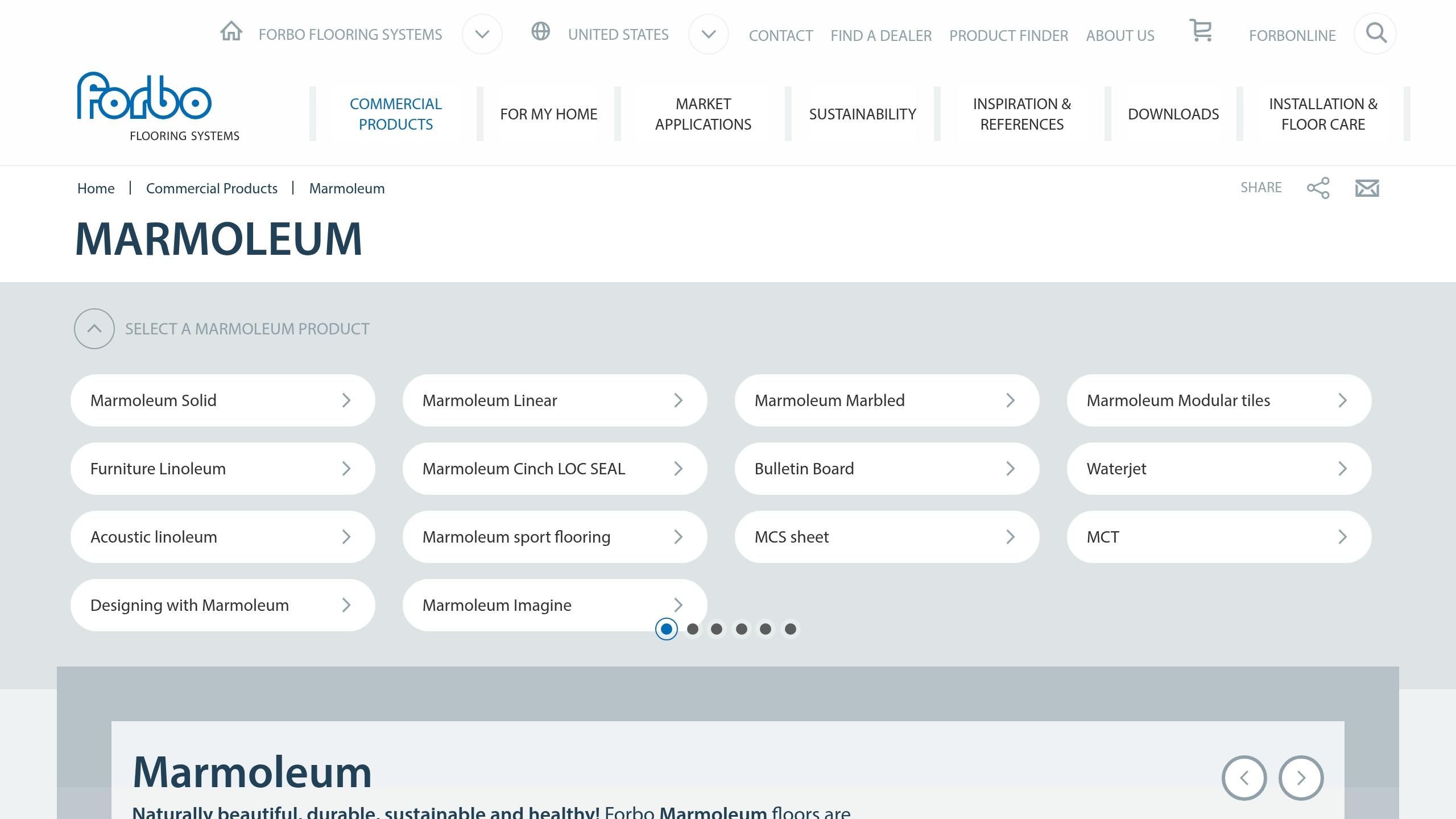
Myths busted about Marmoleum | Forbo Flooring Systems
Installation and Care Facts
This section covers how to install, repair, and maintain linoleum flooring, highlighting its durability and versatile design.
Installation Methods
Modern linoleum is available in three main formats, each with unique installation requirements. According to a Home Depot report, click-together planks have seen a 30% increase in sales, showing a rising interest in DIY flooring projects.
Here’s a quick comparison of installation options:
| Format | Installation Complexity | Professional Installation Needed? | Best For |
|---|---|---|---|
| Sheet Linoleum | High | Yes | Large, open spaces |
| Tiles | Medium | Recommended | Custom patterns, smaller rooms |
| Click-Together Planks | Low | Optional | DIY projects, temporary upgrades |
For click-together planks, ensure the materials acclimate to the room’s temperature. Also, check that the subfloor is clean, dry, and level before starting.
Repair Options
Linoleum’s natural materials make it easy to repair when damaged. Minor scratches or gouges can be filled with repair compounds approved by the manufacturer. For more severe issues, individual tiles or planks can be replaced without affecting the rest of the floor.
Tips for Repairs:
- Save extra material from the initial installation for future fixes.
- Keep a record of the manufacturer and product line for matching purposes.
- Address damage quickly to avoid further issues.
- Always use repair products recommended by the manufacturer.
Daily Care
Taking care of your linoleum flooring helps maintain its look and lifespan. As This Old House puts it:
"Proper maintenance is key to preserving the beauty and longevity of your linoleum flooring. With the right care routine, your linoleum floors can keep their gleaming appearance and high performance for decades".
Basic Maintenance Routine:
- Daily Cleaning: Sweep or vacuum regularly to remove dirt and debris that could scratch the surface. Use a vacuum without a beater bar to avoid damage.
- Weekly Upkeep: Damp mop with a pH-neutral cleaner made for linoleum. Avoid excess water and harsh chemicals that could harm the protective coating.
- Periodic Maintenance:
- Apply liquid polish every 6–12 months.
- Buff high-traffic areas quarterly.
- Reapply the protective coating every 2–3 years.
Following these steps will keep your linoleum looking great while ensuring it lasts for years to come.
Recent Improvements
New Design Features
Linoleum flooring has come a long way, now offering a range of stylish, modern options that can compete with high-end flooring materials. Advances in printing and embossing technology allow for realistic textures and intricate patterns. Plus, the introduction of click-together planks has made installation more versatile and user-friendly.
| Feature | Traditional Linoleum | Modern Linoleum |
|---|---|---|
| Color Range | Limited, basic colors | Wide variety, including metallics |
| Patterns | Simple, repetitive | Detailed, custom designs |
| Installation | Sheet only | Sheets, tiles, and click-lock planks |
| Surface Finish | Basic coating | Advanced protective layers |
| Design Options | Standard patterns | Digital printing and embossing |
These updates not only improve the look of linoleum but also make it a more practical and appealing choice for a variety of spaces.
Natural Material Benefits
Modern linoleum isn’t just about good looks – it’s also a greener choice. Made with up to 97% natural raw materials, its typical composition includes:
- 41% linseed oil
- 20% wood flour
- 19% limestone
- 8% jute
- 5% resin
- 3% colored pigments
- 2% cork
"The raw materials used for creating Marmoleum are rapidly renewable and have absorbed such an amount of CO2 during the time the plants, trees, and crops have grown, that this amount of CO2 exceeds the amount of CO2 that is emitted during the production process of linoleum." – My Chemical-Free House
Manufacturers have also stepped up their sustainability game with impressive eco-friendly practices:
- 100% renewable electricity is used in production.
- Greenhouse gas emissions have dropped by 60% since 2010.
- Zero waste policies ensure no production waste ends up in landfills.
- Some products are even climate-positive, absorbing more CO2 than they emit during production.
These developments make linoleum a smart choice for anyone looking to combine style, durability, and eco-conscious living.
Wrapping Up
Now that we’ve cleared up common myths about linoleum flooring, let’s recap some key points to keep in mind for your next project.
Benefits at a Glance
| Feature | Description |
|---|---|
| Long-lasting | Lifespan of 20–40 years |
| Eco-friendly | Made from natural materials |
| Variety | Available as sheets, tiles, or planks |
| Health-conscious | Hypoallergenic and resists bacteria |
| Low upkeep | Easy to clean and stain-resistant |
Choosing the Right Fit
When deciding if linoleum flooring is right for you, think about:
- Whether it can handle high-traffic areas like kitchens or commercial spaces
- Its compatibility with eco-friendly building standards like LEED
- Its ability to complement both classic and modern designs
For tailored advice based on your specific needs, keep reading.
Talk to the Pros
Need help making a decision? Our flooring experts are here to assist with everything from product selection to installation and care.
Ready to transform your home’s flooring?
Visit KoalatyRemodel.com/locations to find trusted Flooring Contractors near you and request a free quote today! You can also fill out the flooring form and we can have a contractor call you. If you prefer to call a contractor yourself, the number is at the top. We try to make it easy.
Reach out for a free consultation and quote. Let us help you choose and install the perfect linoleum flooring for your space.