


Your roof protects your home and wallet from costly damage. Ignoring issues can lead to repairs exceeding $10,000 or mold growth in just 24-48 hours. Here’s what to watch for:
- Missing/Damaged Shingles: Look for curling, cracks, or bald spots. If 30%+ are damaged, replacement may be needed.
- Granules in Gutters: Heavy granule loss signals aging shingles, reducing your roof’s lifespan by 5-10 years.
- Water Damage & Mold: Stains, peeling paint, or musty smells inside point to leaks. Mold can increase respiratory issues by 30-50%.
- Sagging Roof Areas: Even small dips indicate structural issues that can cost $10,000+ to fix.
- Moss/Algae Growth: Trapped moisture accelerates shingle wear, cutting roof life by up to a decade.
- Roof Age (20+ Years): Most asphalt roofs last 20-30 years. Older roofs are more prone to leaks and damage.
- Light in the Attic: Sunlight through roof boards means gaps that let in water and pests.
Quick Tip: Schedule inspections every 3-5 years for newer roofs and annually for older ones. Acting early saves money and protects your home.
Signs You Might Need A New Roof – Common Roof Problems
1. Missing or Damaged Shingles
Missing or damaged shingles leave your roof vulnerable. Wind speeds of 60-70 mph can rip shingles off [11], exposing your home to further damage. While this kind of damage is easy to spot, it often signals hidden problems, like those in your gutters (which we’ll cover next).
Here’s what to watch for during inspections:
Curling and Cupping: Shingles that curl at the edges or bulge in the middle are a sign of wear and tear [2][9]. These gaps can let water in, leading to serious structural issues.
Cracking and Splitting: Changes in temperature and harsh weather can cause shingles to crack or split [2][9]. Even small cracks can grow, allowing water to seep in and weaken the roof over time.
What Different Types of Shingle Damage Mean
| Damage Type | Urgency | Action Needed |
|---|---|---|
| Missing Shingles | Severe | Replace immediately |
| Curling Edges | High | Replace within 3-6 months |
| Cracked Surface | Moderate-High | Replace affected areas |
| Bald Spots | Moderate | Monitor and plan replacement |
If more than 30% of your shingles are damaged – and especially if your roof is over 15 years old – contractors often recommend replacing the entire roof [10].
To inspect safely, use binoculars to check your roof from the ground. Look out for:
- Dark patches that suggest granule loss
- Exposed protective layers under the shingles
- Shingles that appear wavy or uneven
- Loose materials near chimneys and vents
Spotting these issues early and consulting a contractor can save you from more extensive (and expensive) repairs later. This is a recurring theme you’ll notice as we move through other common roof problems.
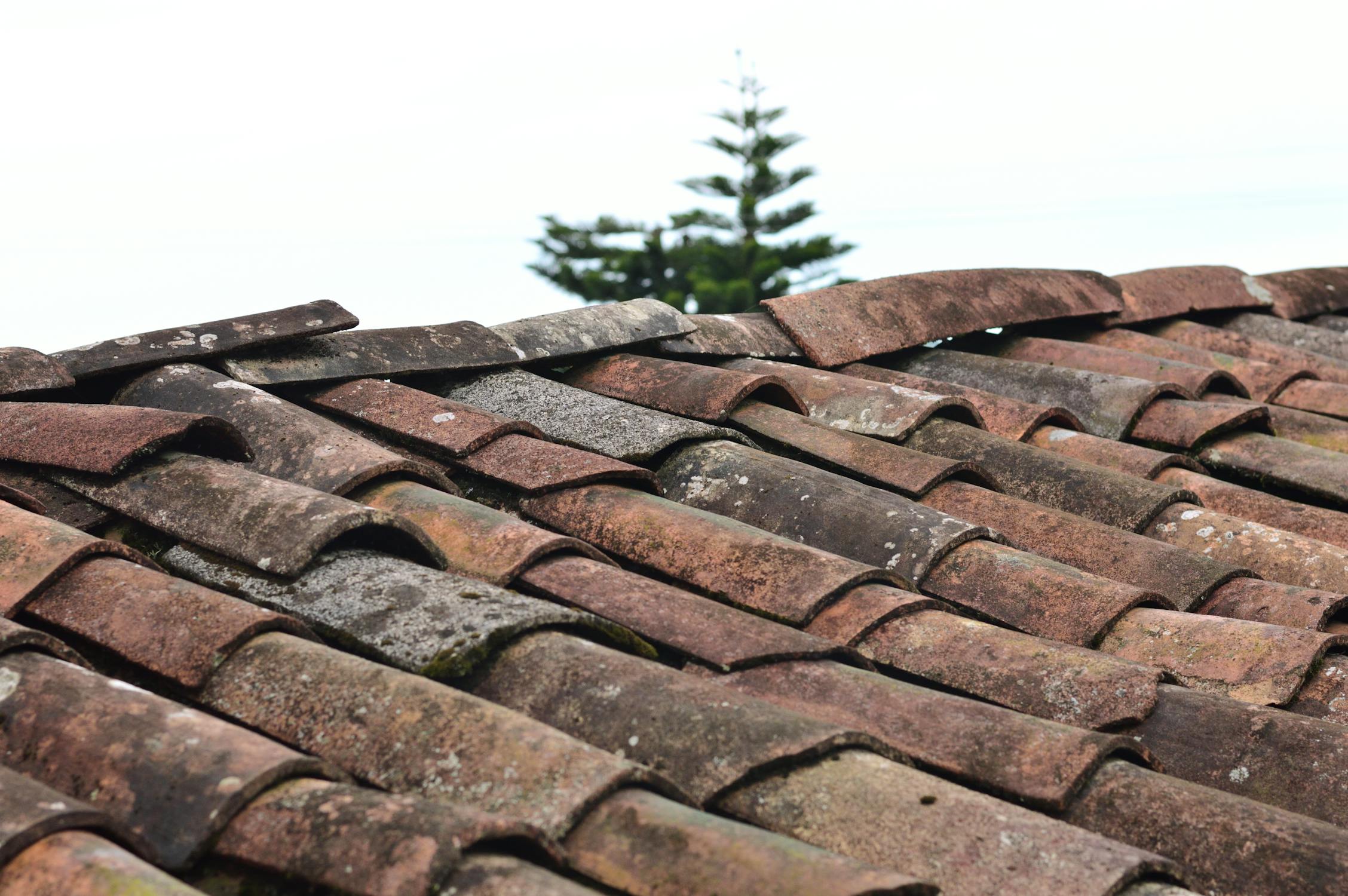
2. Shingle Granules in Gutters
Those dark particles in your gutters? They’re not just random debris – they’re granules from your shingles. A large buildup of these granules indicates your roof might be in trouble.
Normal vs. Problematic Granule Loss
| Type of Loss | Amount in Gutters | What It Means | Action Needed |
|---|---|---|---|
| Normal Shedding | Light dusting | New roof settling or minor wear | Keep an eye on it |
| Early Warning | Consistent small amounts | Signs of wear and tear | Schedule an inspection |
| Critical Loss | Heavy accumulation | Major roof damage | Get it checked ASAP |
Pay close attention to your gutters after a rainstorm. Typically, asphalt shingles lose around 1-2% of their granules each year due to weathering [5]. But if you’re noticing a lot of granules regularly – especially if your roof is over a decade old – it’s time to call in the experts.
Why Granule Loss Is a Big Deal
Granules play a crucial role in protecting your roof. When they’re gone, shingles are left exposed to:
- UV rays, which speed up asphalt deterioration
- Reduced fire resistance [4]
- Higher cooling costs due to poor insulation
Losing too many granules can shave 5-10 years off your roof’s lifespan [13].
A Quick Check: Downspouts
Want an easy way to monitor granule loss? Look at the ground near your downspouts after it rains. Dark streaks or piles of granules at the base can be a sign of ongoing roof damage [8]. This method is safer than climbing up on your roof and can help you catch issues early.
If granule loss isn’t addressed, it often leads to bigger problems – like water damage inside your home.
3. Water Damage and Mold Inside
Granules in gutters might suggest a problem, but water stains inside your home confirm it.
Signs of Indoor Water Damage
| Location | Warning Signs | What It Means | Urgency Level |
|---|---|---|---|
| Ceilings | Brown/yellow rings, sagging | Active roof leak | High |
| Upper Walls | Peeling paint, bubbling | Moisture in walls | Medium-High |
| Attic Space | Wet insulation, dark spots | Severe roof breach | Critical |
| Corner Areas | Dark patches, mold growth | Leaks near roof joints | High |
Water damage can be subtle and hard to detect. Studies reveal that 98% of homes and basements experience water damage at some point in their lifespan [7].
What Lurks Behind the Walls
Specialized tools like infrared cameras and moisture meters help uncover hidden water damage that standard air quality tests might miss.
How Mold and Leaks Are Linked
Roof leaks create an environment where mold thrives. Research indicates that mold exposure can increase respiratory issues by 30-50% [14]. Problem areas often include:
- Around ceiling light fixtures
- Near HVAC vents
- Within attic insulation
Steps to Take Immediately
If you notice water damage, act fast. Here’s what you should do:
- Take photos to document the damage
- Use fans and dehumidifiers to dry the area
- Contact a roofing expert and your insurance company
Ignoring interior water damage only makes things worse. Without professional help, issues like sagging roofs and mold growth can escalate quickly.
4. Drooping or Sagging Areas
Interior water damage might signal leaks, but sagging areas point to deeper structural problems caused by prolonged exposure. Roofing experts note that even a 1/2-inch dip over 10 feet can indicate serious hidden issues [3].
Key Areas to Watch
| Location | Visual Clues | Possible Causes | Risk Level |
|---|---|---|---|
| Ridge Line | Noticeable dip in roofline | Weak or damaged beams | Critical |
| Between Rafters | Waves or ripples | Rotting or broken trusses | High |
| Center Areas | Bowl-like depressions | Overloaded roof weight | Severe |
| Valley Areas | Uneven surfaces | Water pooling or damage | High |
These issues often arise from water damage, much like the problems discussed in Section 3.
Hidden Effects on Your Home
Sagging roofs don’t just look bad – they can weaken your home’s entire structure. Common signs include:
- Doors and windows sticking or becoming hard to open
- Cracks forming near ceiling joints
- Uneven attic floors, failing basic level checks
What Inspectors Look For
A professional will assess the roof’s support system, check for wood moisture, analyze ventilation, and evaluate how weight is distributed across the structure.
Repair Costs
Delaying fixes can get expensive fast. Initial repairs might cost $750–$2,000, but if structural replacement is needed, costs can soar past $10,000 [3].
What to Do Right Away
If you notice sagging:
- Take photos, clear the area, and call a licensed contractor immediately.
- Use temporary supports if recommended by an expert.
This kind of structural issue often ties back to the moisture problems that also lead to mold (see Section 3).
sbb-itb-e0ea4e0
5. Moss and Algae Problems
Green patches or dark streaks on your roof aren’t just cosmetic issues – they’re signs of trouble. Common culprits like cushion moss and blue-green algae hold moisture, speeding up shingle wear and opening the door to water damage. Just like missing shingles (Section 1) or interior leaks (Section 3), these growths can lead to costly repairs.
How They Affect Your Roof
These growths trap moisture, which breaks down shingles faster. Research shows algae can cut a roof’s reflective ability in half [11]. Moss is even worse – it can shave a decade or more off your roof’s lifespan if ignored [3].
| Growth Type | Appearance | Primary Damage | Risk Level |
|---|---|---|---|
| Cushion Moss | Dense green clumps | Lifts shingles | Severe |
| Fern Moss | Feathery spreads | Roots penetrate, granules lost | High |
| Blue-green Algae | Dark streaks/stains | Moderate deterioration | Moderate |
Where to Look for Trouble
Certain spots on your roof are more prone to moss and algae. Pay close attention to:
- Roof Valleys: Look for dark stains following water flow patterns.
- Under Trees: Thick, green patches often form here.
- Near Gutters: Moss thrives where moisture collects.
- Shaded Areas: Algae streaks tend to spread in these spots.
When to Call a Pro
Roofing experts suggest replacement if moss roots have made their way into the shingle layers or if algae covers more than 30% of the roof’s surface [2]. Moss near gutters often comes with heavy granule buildup (see Section 2).
How to Keep Growth in Check
Adding zinc or copper strips near the roof’s peak is a smart move. Rainwater activates these metals, creating a protective layer that helps stop moss and algae in their tracks [11].
If left unaddressed, these growths can worsen granule loss and water damage, as discussed in earlier sections.
6. Age Over 20 Years
Even if there are no visible signs of damage like moss growth (Section 5) or sagging (Section 4), the age of your roof alone can weaken its performance. Asphalt shingle roofs, which cover about 80% of U.S. homes [5], generally need replacing after 20-30 years [1], regardless of whether they look damaged.
What Happens as Your Roof Ages?
As roofs get older, they become more vulnerable in several ways:
- Materials lose their ability to resist water.
- Insulation degrades, leading to lower energy efficiency.
- Long-term weather exposure weakens structural strength.
- The roof becomes more prone to storm damage [8].
| Material | Lifespan | Common Issues |
|---|---|---|
| 3-tab Asphalt | 15-20 years | Surface wear, discoloration |
| Architectural Shingles | 25-30 years | Cracking, bald spots |
| Metal | 40-70 years | Rust, loose panels |
| Concrete Tile | 35-50 years | Cracking, moisture issues |
How Location Affects Roof Aging
Your environment plays a huge role in how quickly your roof deteriorates. Factors like coastal salt air, industrial pollution, extreme humidity, and temperature fluctuations can speed up material breakdown. These conditions often worsen problems like water infiltration (Section 3) and granule loss (Section 2).
Why You Shouldn’t Delay Replacement
Waiting too long to replace an aging roof can be costly. Insurance companies often reduce coverage for roofs over 20 years old [6]. And while replacing asphalt shingles costs between $5,700 and $12,000 on average [5], delaying could lead to structural repairs exceeding $10,000, as noted in Section 4.
What’s the Best Approach?
If you’re not sure how old your roof is, a professional inspection can give you clarity on its condition and remaining lifespan. Regular maintenance can add up to 25% more life to your roof [12]. However, once your roof reaches 20 years, it’s time to start planning for a replacement.
7. Light Coming Through Roof Boards
Seeing daylight streaming through your attic’s roof boards is a clear sign of serious roof damage that needs attention right away. While checking for aging issues (see Section 6), any light coming through the roof boards suggests deeper problems. This often accompanies missing shingles (Section 1) and can lead to severe sagging (Section 4).
Why You Shouldn’t Ignore Light Penetration
Even the smallest gaps in your roof boards can let in water, air, and pests [16]. Studies show that a tiny 1/4-inch gap in roof decking can allow up to 851 gallons of water into your home each year [7]. This is a big red flag, just like severe sagging (Section 4) or heavy granule loss (Section 2), and it calls for immediate professional help.
How to Check Your Attic for Issues
To inspect your attic effectively, follow these steps:
- Pick a bright, sunny day for your inspection.
- Turn off all lights and let your eyes adjust to the darkness.
- Carefully scan the underside of the roof, paying special attention to:
- Chimney connections
- Vent pipes
- Roof valleys
- Ridge caps
Areas to Watch and Their Risks
| Area | Signs of Damage | Possible Problems |
|---|---|---|
| Roof Valleys | Light shining through | Water damage and rot |
| Chimney Flashing | Gaps around edges | Weakened structure |
| Vent Pipes | Light around pipe edges | Air leaks |
| Ridge Caps | Straight light patterns | Loss of weather protection |
Energy Costs and Efficiency
Gaps in your roof don’t just lead to water damage – they also hurt your home’s energy performance. Homeowners often see a 10-20% rise in annual energy bills due to these leaks [9].
When to Call the Pros
While you can spot light leaks yourself, professionals have tools like thermal imaging to locate hidden leaks and moisture meters to detect water damage before it becomes visible [11]. Just like aging-related roof issues (Section 6), these gaps will only get worse if left unaddressed.
Quick Fixes to Buy Time
If you find light coming through your roof boards, act fast:
- Take photos of all visible gaps.
- Temporarily seal the holes from inside using heavy-duty plastic sheeting.
- Schedule a professional inspection within two weeks [9].
Addressing these issues quickly helps protect your home’s structure and keeps your roof doing its job.
Roof Materials: Life Expectancy and Cost Guide
When it’s time for a roof replacement (as explained in signs 1-7), the material you choose plays a big role in how long it lasts and how much it costs. A recent market review highlights wide differences in both lifespan and expenses across popular materials.
Material Costs and Features for 1,500 sq ft (2024)
| Material Type | Cost Range | Annual Maintenance | Notable Features |
|---|---|---|---|
| Metal Roofing | $12,000-$30,000 | $50-$100 | Reflects 85% of solar heat |
| Wood Shakes | $15,000-$25,000 | $350-$500 | Acts as natural insulation |
| Clay Tiles | $20,000-$40,000 | $200-$400 | Can reduce energy use by 20% |
| Slate | $25,000-$50,000 | $100-$200 | Known for long-lasting durability |
These differences highlight why spotting roof problems early (see Sections 1-7) can help you avoid unnecessary expenses.
Climate and Material Performance
Local weather conditions can speed up wear and tear on certain materials. For example, extreme weather might make issues like moss (Section 5) or sagging (Section 4) appear sooner. It’s a good idea to check with regional roofing associations for advice tailored to your area’s climate [7].
Warranty Requirements
Most manufacturers require professional installation to ensure their warranties are valid [10].
Things to Keep in Mind
- Heavy materials may need extra structural support.
- Budget for costs like removing the existing roof.
- Some materials need specialized installers.
- Additional insulation might be required.
- Maintenance demands vary by material.
When comparing roofing options, think about both upfront costs and long-term value. Be sure to account for local climate conditions, building codes, and your home’s structural limits to make the best choice.
Conclusion
Whether it’s missing shingles or aging materials, the signs we’ve discussed highlight one key takeaway: taking care of your roof early can save both money and headaches. Industry data shows that putting off a replacement can lead to repair costs that are 40% higher [6].
Replacing your roof on time not only prevents further damage but can also increase your home’s value. Professional inspections are crucial for catching problems before they worsen [7]. For example, roofs older than 20 years (as mentioned in Section 6) require extra attention, and the materials you choose will affect how well your roof performs over time.
If you’ve noticed any of the issues described in Sections 1-7, now is the time to act. Certified contractors can provide a thorough evaluation and tailored advice based on your home’s needs. They’ll help you choose the right materials and establish a timeline for installation.
Don’t wait – schedule a professional inspection to assess your roof’s condition and explore replacement options.
FAQs
How do you know when it’s time to replace your roof?
Your roof often shows signs of wear before it fails completely. Look out for issues like curled shingles, excessive granule loss, or water damage inside your home. These are clues that it might be time for a replacement.
Key Signs to Watch For:
- Shingle Deterioration: If shingles are curling or failing to seal, your roof is more prone to leaks and other problems [15].
- Granule Loss: A noticeable buildup of granules in gutters or around your home indicates shingle wear [1].
- Interior Damage: Warning signs inside your home can include:
- Water stains on ceilings
- Peeling paint or wallpaper
- Musty smells in the attic
- Damp areas near roof connections [6]
As noted in our lifespan analysis (Section 6), the timing for a roof replacement also depends on its age and material. If you notice several of these issues or your roof is nearing the end of its expected life, it’s wise to consult a professional. They can assess the full scope of problems, from aging materials to structural risks, and recommend the best course of action for your home.