


For seniors, walk-in tubs offer a safer and more comfortable bathing experience with features like low step-in thresholds, grab bars, and non-slip surfaces. They also provide therapeutic benefits through hydrotherapy jets, air massage systems, and heated backrests to relieve pain, improve circulation, and reduce stress. Prices range from $3,000 to $10,000+, depending on features and installation needs.
Key Features at a Glance:
- Safety: Wide-opening doors, ADA-compliant seating, quick-drain systems, anti-scald valves.
- Hydrotherapy: Water jets for pain relief, air jets for relaxation, temperature-controlled water.
- Top Models for 2025:
- Kohler Walk-In Bath: Luxury features, low threshold.
- American Standard Gelcoat: Durable, effective hydrotherapy.
- Safe Step Walk-In Tub: Dual hydrotherapy for arthritis relief.
- Ella’s Bubbles Dual Massage: Dual-seat design for couples or caregivers.
- Ariel Walk-In Tub: Budget-friendly with essential features.
Quick Comparison Table:
| Model | Price Range | Key Features | Ideal For |
|---|---|---|---|
| Kohler Walk-In Bath | Higher-end | Premium hydrotherapy, low threshold | Luxury and comfort seekers |
| American Standard Gelcoat | Moderate to high | Durable, effective safety features | Balanced needs |
| Safe Step Walk-In Tub | Moderate to high | Dual hydrotherapy, pain relief | Arthritis and pain management |
| Ella’s Bubbles Dual Massage | Moderate | Dual seating, versatile massage | Couples or caregiver-assisted |
| Ariel Walk-In Tub | Budget-friendly | Essential safety, hydrotherapy | Cost-conscious users |
Walk-in tubs are a practical investment for seniors prioritizing safety, comfort, and health benefits. Choose a model based on your specific needs, and consult professionals for proper installation.
Best Walk In Tubs 2025 | Top 5 Best Walk In Tubs
How Hydrotherapy Helps Seniors
Hydrotherapy in walk-in tubs offers proven benefits for seniors by combining warm water and strategically placed jets to provide relief and comfort. Here’s how it supports senior wellness.
Pain Relief for Joints and Muscles
Hydrotherapy is particularly effective in easing common aches and pains among seniors. The buoyancy of water reduces joint stress by up to 70% [3], making movement easier and less painful. Studies show that seniors using hydrotherapy report a 3.8-point drop in WOMAC pain scale scores after just eight weeks of regular sessions [1]. The warm water, typically maintained between 93–97°F (34–36°C), helps relax tight muscles and reduce inflammation around joints [2].
Improved Circulation and Stress Reduction
Hydrotherapy significantly boosts circulation, increasing peripheral blood flow by 30–40% through vasodilation [2]. This enhanced blood flow delivers more oxygen and nutrients to fatigued muscles, while also helping to lower blood pressure. Additionally, the mental health benefits are noteworthy. Seniors who engage in hydrotherapy three times a week report:
- 42% lower depression rates compared to those who don’t use it [4].
- 68% improved sleep quality within just two weeks [5].
Choosing Between Water Jets and Air Jets
Understanding the differences between water and air jets can help seniors select the best option for their needs:
| Feature | Water Jets | Air Jets |
|---|---|---|
| Pressure Level | 15–25 PSI (deep tissue) | 2–5 PSI (gentle) |
| Best For | Chronic pain, deep muscle tension | Mild arthritis, relaxation |
| Pain Reduction | 37% improvement | 28% improvement |
| Maintenance | Monthly cleaning required | Minimal upkeep needed |
For a balanced experience, some models combine both jet types, allowing users to switch between deep tissue massage and gentle stimulation. Experts recommend 20–30 minute sessions, three times a week [1][4].
Must-Have Safety Features
Non-slip flooring with an R11 slip resistance rating can reduce the risk of falls by up to 68% [10]. Below are some key safety features that enhance both usability and protection.
Step Height Requirements
For walk-in tubs, the ideal threshold height falls between 3 and 5 inches. Heights within this range are optimal for safety, as thresholds higher than 6 inches increase fall risk by 27% [12]. A good example is Kohler’s Walk-In Bath, which features a 3-inch threshold [7].
Safety Bars and Non-Slip Surfaces
Modern walk-in tubs are equipped with features designed to prevent accidents, including grab bars and non-slip surfaces. Here’s a breakdown of standard safety specifications:
| Safety Feature | Specs | Industry Standard |
|---|---|---|
| Grab Bar Height | 33–36 inches above floor | ADA compliant [8] |
| Grab Bar Diameter | 1.25–1.5 inches | Safe Step WT52-L specs [9] |
| Floor Texture | R11 slip resistance | DIN 51130 Class C [10] |
American Standard’s Gelcoat series incorporates molded anti-slip patterns that maintain traction even when wet. Kohler’s HydroRail™ surface technology achieves a static friction coefficient of 0.42 under wet conditions [7][13].
These physical supports are complemented by hydrotherapy settings that prioritize a safe bathing experience.
Adjustable Jet Settings
Safety controls in walk-in tubs often include:
- Temperature controls with automatic shutoff at 104°F, as seen in the Kohler Walk-In Bath [7].
- Thermostatic mixing valves that keep water temperature within ±2°F for consistent comfort (Safe Step) [13].
- Pressure control systems with 10 adjustable levels (ranging from 0.5 to 2.5 PSI) for gentle hydrotherapy [6].
For instance, the HOROW WT52-L offers a "gentle mode" that reduces water flow from 12 to 8 GPM, catering to sensitive skin [11]. Additionally, many modern tubs feature quick-drain systems that empty the tub in under 90 seconds, reducing risks associated with cooling water [7].
5 Best Walk-In Tubs for 2025
Looking for the perfect walk-in tub? Here are five standout options for 2025, chosen for their focus on safety, hydrotherapy benefits, and user-friendly features. These models include everything from low thresholds to reliable safety measures, ensuring a comfortable and secure bathing experience.
Kohler Walk-In Bath
The Kohler Walk-In Bath is all about blending luxury with functionality. It features top-notch hydrotherapy and a low step-in threshold, making it a premium choice for those who value comfort and safety.
Price range: Higher-end
American Standard Gelcoat Premium Series
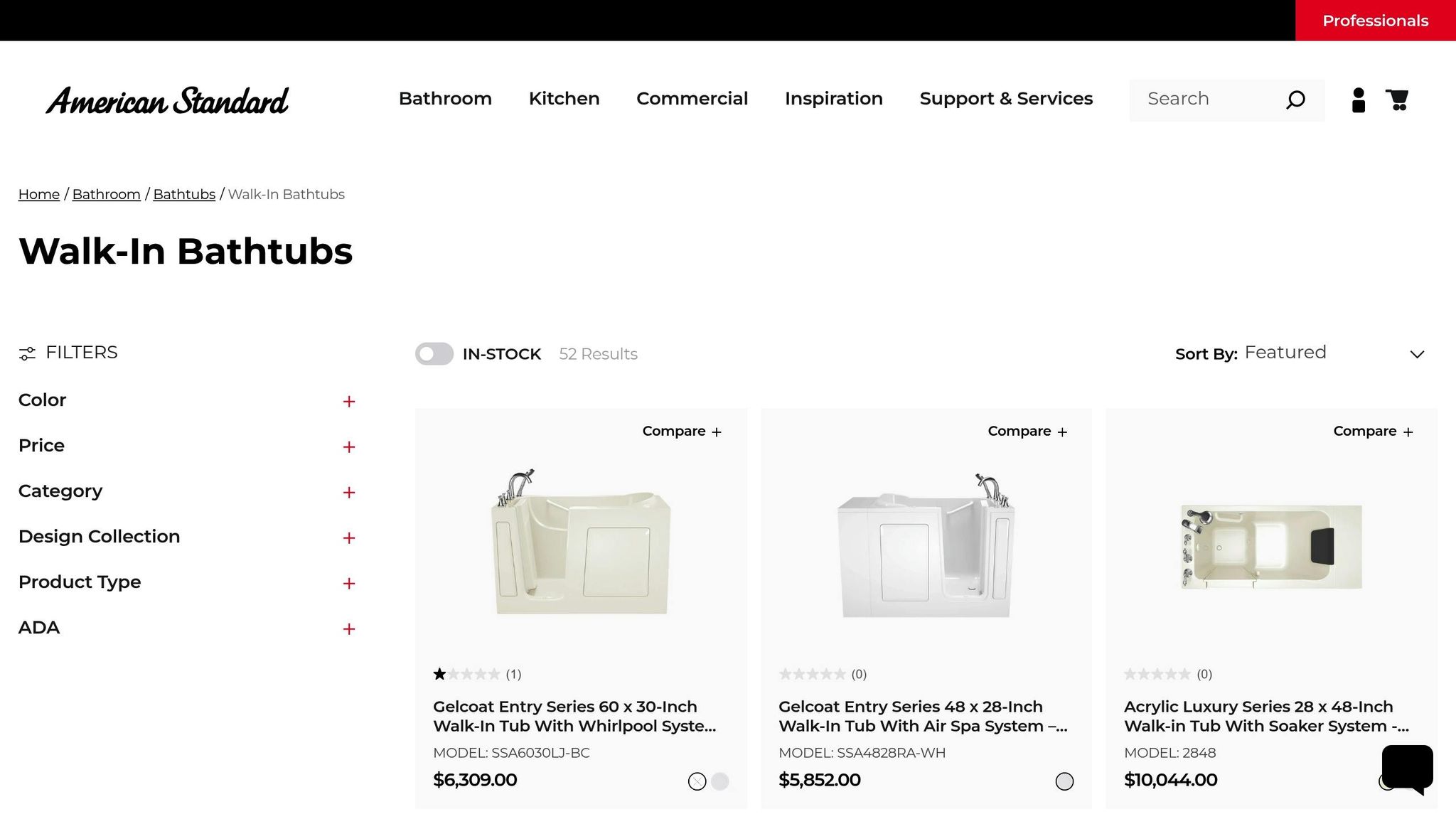
Known for its durability and therapeutic benefits, the American Standard Gelcoat Premium Series offers effective hydrotherapy along with essential safety features. It’s a solid pick for those seeking a balance of quality and safety.
Price range: Moderate to high
Safe Step Walk-In Tub
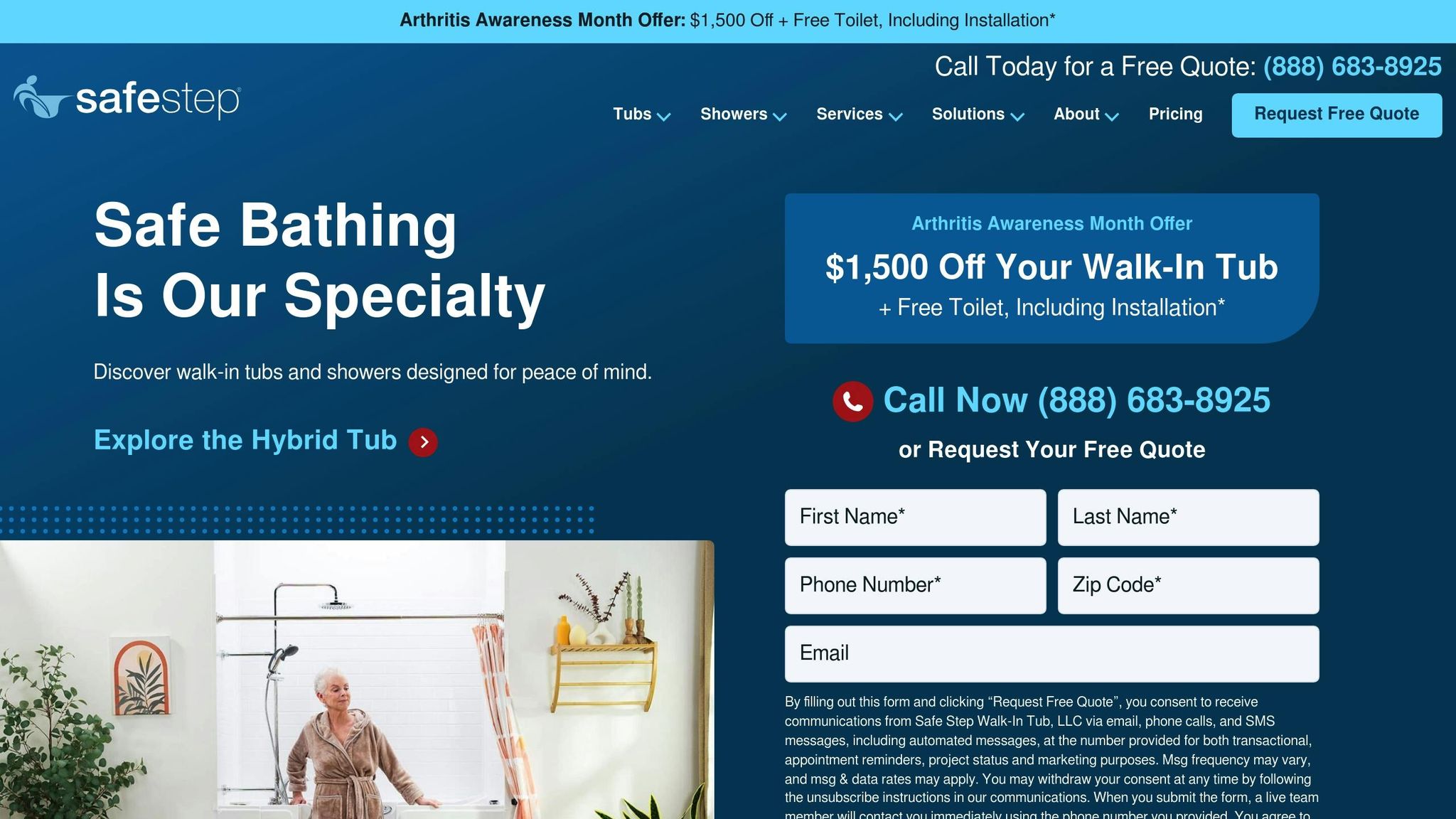
Designed with safety and ease of use in mind, the Safe Step Walk-In Tub comes with a dual hydrotherapy system. It’s particularly helpful for individuals managing arthritis or chronic pain, offering a soothing and accessible bathing experience.
Price range: Moderate to high
Ella’s Bubbles Dual Massage Tub
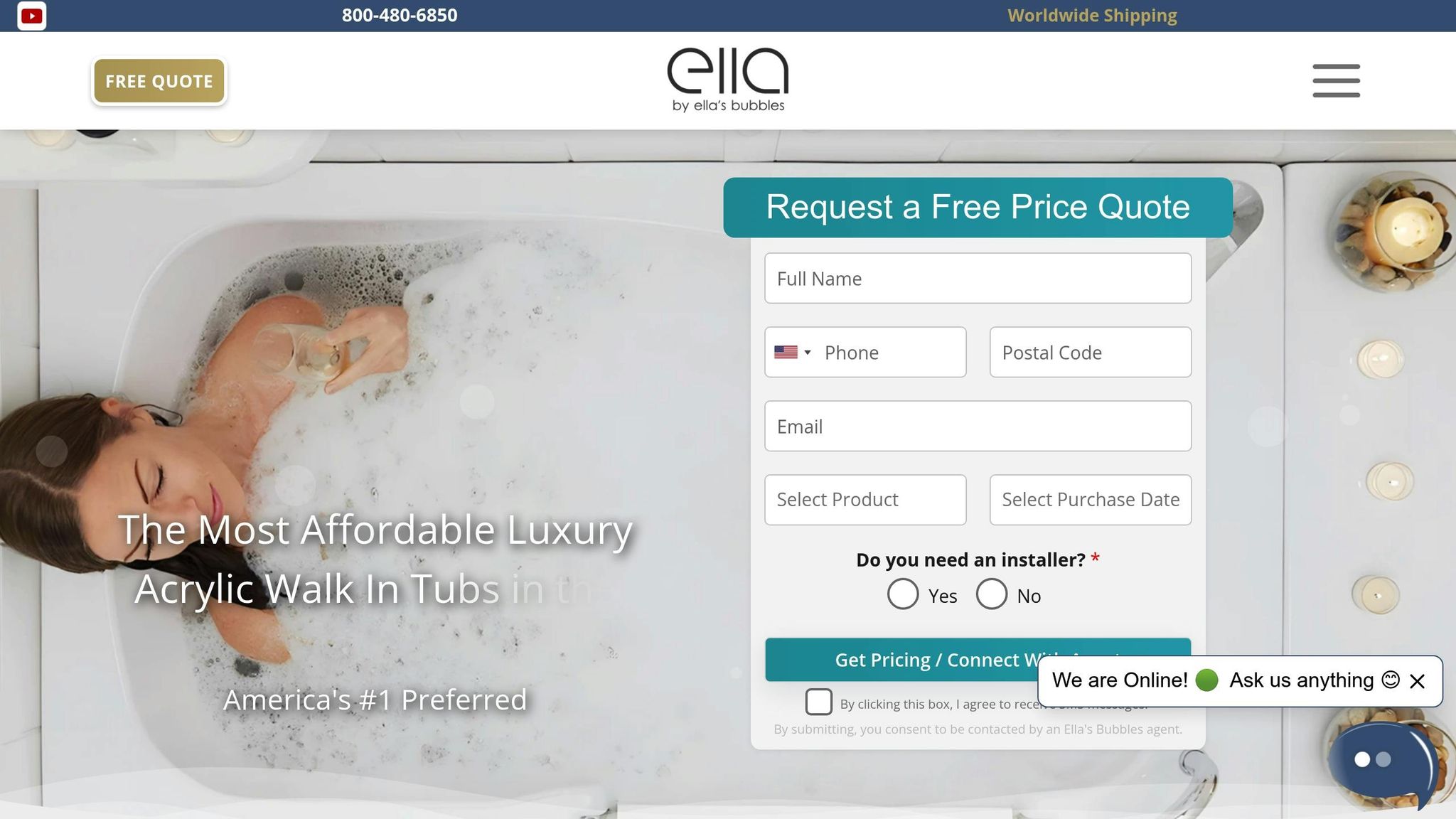
Ella’s Bubbles Dual Massage Tub stands out with its dual-seat design, making it ideal for couples or those requiring caregiver assistance. Its versatile hydrotherapy options and robust safety features add to its appeal.
Price range: Moderate
Ariel Walk-In Tub
The Ariel Walk-In Tub is a budget-friendly option that doesn’t skimp on safety or hydrotherapy. It’s a great choice for anyone looking for an affordable, accessible solution without sacrificing essential features.
Price range: Budget-friendly
| Model | Price Range | Key Features | Ideal For |
|---|---|---|---|
| Kohler Walk-In Bath | Higher-end | Premium hydrotherapy & advanced safety design | Luxury and comfort seekers |
| American Standard Gelcoat | Moderate to high | Durable design with effective hydrotherapy & safety | Those seeking balanced features |
| Safe Step Walk-In Tub | Moderate to high | Dual hydrotherapy system for pain relief | Seniors managing arthritis/pain |
| Ella’s Bubbles Dual Massage | Moderate | Dual-seat design with versatile massage options | Caregiver-assisted or couples |
| Ariel Walk-In Tub | Budget-friendly | Essential safety and hydrotherapy features | Cost-conscious users |
sbb-itb-e0ea4e0
Setup and Pricing Guide
Installation Steps and Time
Installing a walk-in tub typically takes 1 to 2 days when handled by professionals. Here’s how the process usually unfolds:
- A professional will first assess your bathroom, plumbing, and electrical systems to ensure compatibility.
- The current tub is removed, and the area is prepped for the new installation.
- Plumbing is adjusted to accommodate the walk-in tub.
- A dedicated electrical circuit is installed for any hydrotherapy or advanced features.
- The tub is positioned, leveled, secured, and thoroughly tested to ensure it functions properly.
For older homes, additional steps may be necessary, such as reinforcing the floor, upgrading water lines, improving drainage, or installing GFCI-compliant outlets.
Once the tub is in place, understanding the costs and payment options becomes crucial.
Prices and Payment Options
The cost of a walk-in tub depends on the features you choose and the complexity of the installation:
- Base Price: Entry-level models range from $3,000 to $5,000, while mid-range to high-end models can cost $5,000 to $10,000 or more.
- Installation Costs: A straightforward installation will cost less, but projects requiring extensive plumbing or electrical upgrades can drive up the price.
To help manage these expenses, several payment options are available, including home improvement loans, financing plans offered by manufacturers, or home equity lines of credit.
It’s important to note that Medicare does not cover walk-in tubs. However, some Medicare Advantage plans might provide partial coverage. Be sure to check with your insurance provider to explore your options.
Coming up next, learn how to choose the features that best suit your needs.
Selecting Your Walk-In Tub
Matching Features to Health Needs
When choosing a walk-in tub, it’s essential to align its features with your specific health needs. Here’s how to make the best match for comfort and safety:
For Arthritis and Joint Pain:
- Look for tubs with deep soaking capabilities and targeted hydrotherapy jets.
- Ensure jets are placed to target common pain areas effectively.
- Heated seats and backrests can provide soothing, long-lasting warmth.
For Limited Mobility:
- Opt for a low step-in design to make getting in and out easier.
- Wide-opening doors can simplify transfers for those with mobility challenges.
- Quick-drain technology helps reduce waiting time, improving convenience.
For Circulation Issues:
- Air massage systems offer gentle, full-body stimulation to promote better blood flow.
- Adjustable jet pressure allows you to customize the intensity to suit your needs.
Once you’ve identified the features that suit your health requirements, it’s a good idea to confirm these choices and assess installation needs by visiting showrooms or scheduling in-person evaluations.
Pre-Purchase Research
Before making a decision, thorough research is crucial. Here are the key steps to take:
- Schedule Demonstrations
Test the tub’s functionality and design firsthand:- Try stepping over the entry threshold and evaluate how manageable it feels.
- Check the comfort and support of the seating.
- Ensure the control panel is easy to reach and operate.
- Test the door handle for ease of use.
- Verify Requirements
Get detailed written specifications and confirm the following:- Dimensions and Space Needs: Make sure the tub will fit in your bathroom.
- Installation Requirements: Understand what is needed for proper setup.
- Warranty Coverage: Review the terms to avoid surprises later.
Consult a qualified contractor to assess: - Delivery access to your home.
- Whether your flooring can support the tub’s weight.
- Compatibility with your existing plumbing and electrical systems.
Quick Reference Guide
Here’s a summary of health conditions and the features that address them:
| Health Condition | Recommended Features | Why It Matters |
|---|---|---|
| Severe Arthritis | Hydrotherapy jets and heated surfaces | Eases pain and keeps muscles warm for added relief. |
| Balance Issues | Low step-in design with grab bars | Reduces the risk of falls during entry and exit. |
| Poor Circulation | Air massage system | Gently boosts blood flow without causing discomfort. |
| Limited Mobility | Quick-drain design and wide door | Makes transfers easier and minimizes waiting time after a bath. |
Summary
Walk-in tubs with hydrotherapy combine safety and comfort, making them an excellent option for seniors. These tubs feature a low step-in threshold, built-in safety bars, and non-slip surfaces, which enhance accessibility and reduce the risk of accidents.
Beyond safety, they also offer therapeutic advantages. Hydrotherapy can ease chronic joint pain, boost circulation, and help reduce stress. Choosing the right tub features based on individual health needs is important. For example, adjustable jets can provide relief for arthritis, while quick-drain systems and wide doors are ideal for those with limited mobility.
Professional installation is essential, with costs ranging from $3,000 to over $10,000, depending on the model and any necessary modifications.
To make the most of your investment, follow these steps:
- Identify specific health needs and match them with the appropriate tub features.
- Visit showrooms to test different models in person.
- Get detailed quotes from reputable providers.
- Carefully review warranty and maintenance terms.
Proper installation is key to ensuring both safety and functionality. Partnering with qualified professionals will help your walk-in tub deliver the therapeutic and safety benefits it’s designed to provide.
FAQs
What’s the difference between air jets and water jets in walk-in tubs, and how do I choose the best option?
Walk-in tubs come with two popular hydrotherapy options: air jets and water jets, each catering to different preferences and needs.
Air jets work by releasing streams of warm air, creating a gentle, calming massage. This option is perfect for those with sensitive skin or anyone seeking a soothing, spa-like experience. On the other hand, water jets provide a stronger, more focused massage. They’re designed to ease deep muscle tension and alleviate joint pain, making them a great choice for individuals dealing with arthritis or chronic discomfort.
When deciding between the two, think about what suits you best. If relaxation and a softer touch are your priorities, air jets might be the way to go. If you’re looking for more therapeutic benefits, especially for pain relief, water jets could be a better fit. Some walk-in tubs even offer a combination of both, giving you the flexibility to tailor your experience.
How does hydrotherapy in walk-in tubs help seniors with arthritis or chronic pain?
Hydrotherapy in walk-in tubs offers a soothing solution for those dealing with arthritis or chronic pain. The combination of warm water and strategically placed jets works to ease joint inflammation, boost circulation, and loosen up stiff muscles. The result? Improved mobility, reduced discomfort, and a more enjoyable bathing experience.
For older adults, the blend of heat and gentle massage provides more than just physical relief. It encourages relaxation, helps alleviate stress, and may even contribute to better sleep – making it an excellent addition to a daily self-care routine.
What should I consider when budgeting for a walk-in tub, including installation and extra costs?
The price of a walk-in tub usually falls between $3,000 and over $10,000, influenced by factors like the brand, features, and size. But don’t forget – installation costs can add to the total, especially if the project requires complex work or updates to your plumbing or electrical systems.
You might also need to factor in extra expenses for changes to your bathroom, such as widening doorways or strengthening the flooring. To keep your budget on track, it’s a good idea to get a detailed estimate from a professional installer. Also, check if financing options or insurance coverage could help offset the cost.