


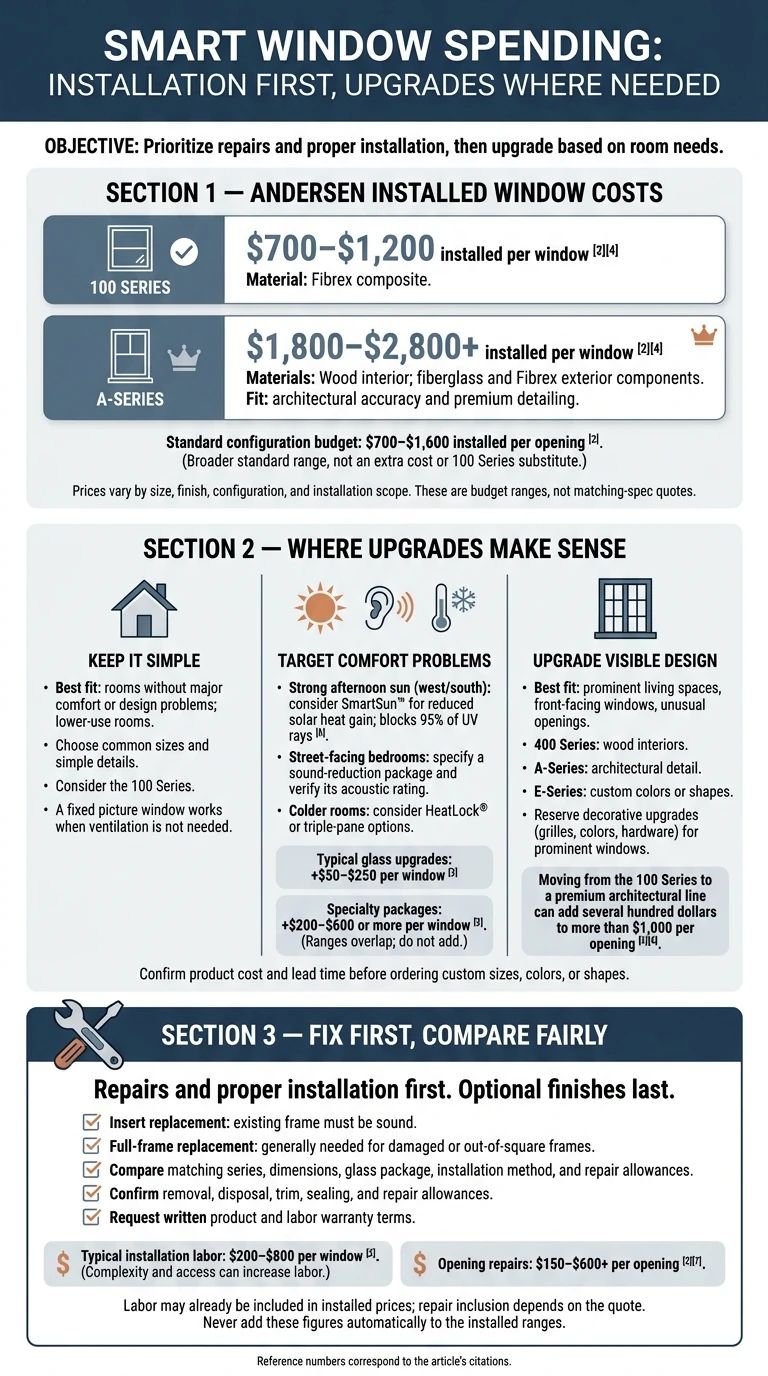
I’d pay for repairs and proper installation first, then upgrade only where a room needs it. A standard Andersen 100 Series window typically costs $700–$1,200 installed, compared with $1,800–$2,800+ for an A-Series window.[2][4] Before choosing, I’d ask for quotes with <u>matching installation scopes</u>.
Here’s how I’d decide where to spend:
- Cost and installation: Confirm removal, disposal, trim, sealing, and repair allowances. Use an insert only if the existing frame is sound.
- Materials and finishes: Compare Fibrex, wood interiors, and exterior cladding. Pay for premium finishes where you’ll see and enjoy them.
- Glass: Budget $50–$250 per window for typical upgrades, or $200–$600+ for specialty packages.[2] Check U-factor and SHGC for insulation and sun control, plus acoustic ratings for noise.
- Style and customization: Choose operation and size for function. Treat custom shapes, grilles, colors, and hardware as optional spending.
Quick Comparison
| Criteria | Standard configuration | Room-specific upgrades |
|---|---|---|
| Cost | Lower upfront price | Added cost for selected features |
| Installation | Insert or full-frame, based on frame condition | Same decision; access and complexity may add labor |
| Materials | Fibrex or basic wood-interior choices | More finish, cladding, and design choices |
| Glass | Baseline efficiency | Targeted sun, noise, insulation, or code needs |
| Style | Common sizes and simple details | Custom sizes, shapes, grilles, and hardware |
| Best fit | Rooms without comfort or design problems | Sunny rooms, noise-exposed bedrooms, and visible windows |
My rule: keep low-use rooms simple, address comfort problems with the right glass, and reserve decorative upgrades for prominent windows. Then compare exact specs, repair costs, lead times, and written warranties – not just quote totals.
 Upgrade your home with window installation services designed for efficiency and lasting performance.
1. Standard Andersen Windows
Installed Cost and Scope
Budget $700–$1,600 installed per opening for a standard configuration [2]. Ask whether that price includes removal, disposal, flashing, interior casing, exterior capping, and finishing.
An insert replacement keeps the existing frame and trim if they’re in good condition. A full-frame replacement removes both, allowing hidden damage to be repaired [1][6][7]. Once you’ve settled the scope, material choice is the next cost driver.
Frame Materials and Finishes
The 100 Series uses Fibrex composite, while the 200 Series pairs a wood interior with a vinyl-clad exterior [3][4][6]. Glass selection is the next factor that can change the price.
Glass Performance
Standard Low-E4 glass sets the baseline for energy efficiency [5][6]. Before accepting it, ask for the exact configuration’s NFRC-rated U-factor and Solar Heat Gain Coefficient (SHGC) [5].
Style and Customization
For rooms without specific design needs, choose common sizes and operating styles that fit the opening. A fixed picture window works when you don’t need ventilation [1][6].
Want grilles? Grilles-between-the-glass make cleaning easier and cost less than simulated divided lites [6]. Standard sizes and colors also usually ship faster than custom configurations [2][5], giving you a starting point for deciding which rooms warrant upgrades.
Andersen 200 or Andersen 400. Side by Side
2. Room-Specific Andersen Upgrades
Once the opening is sound, focus on upgrades that address each room’s comfort or design needs.
Installed Cost and Scope
Glass upgrades for rooms with comfort problems typically add $50–$250 per window. Specialty packages can add $200–$600 or more[2]. Budget separately for trim, opening repairs, and finish work – the costs that vary most from room to room.
Frame Materials and Finishes
Choose the 100 Series for low-priority rooms, the 400 Series for wood interiors, the A-Series for architectural detail, and the E-Series for custom colors or shapes[4][6].
Moving from the 100 Series to a premium architectural line can add several hundred dollars to more than $1,000 per opening. Save that added design flexibility for prominent rooms that need it[2][4].
Glass Performance
For west- or south-facing rooms with strong afternoon sun, SmartSun™ reduces solar heat gain and blocks 95% of UV rays[6].
For street-facing bedrooms, specify a sound-reduction package. Standard glass upgrades don’t reliably reduce noise, and specialized sound-reducing glass typically adds $200–$600 or more per window[2][6].
In colder rooms, HeatLock® reflects radiant heat back indoors. Triple-pane options can add insulation where available[6].
Style and Customization
More complex styles need extra hardware and installation work, which increases the quote. A crank-operated casement works well in hard-to-reach openings and seals tightly[6].
Custom dimensions, colors, or shapes make sense when they preserve an unusual opening or match key architectural details. Confirm the product cost and lead time before ordering – custom sizing increases both[2].
The cost comparison below builds on these room-by-room choices.
Compare Andersen Window Costs and Features
Installed Cost: What Does the Quote Include?
Compare the same installation scope – insert or full-frame – before comparing totals.[1][6] Once you’ve chosen windows for each room, review quotes line by line. Put work that solves room problems ahead of optional extras.
| Quote item | Standard configuration | Room-specific upgrade |
|---|---|---|
| Window unit | Base series, size, and standard glass | Selected materials and features |
| Installation labor | Typical labor: $200–$800 per window[2] | Complexity and access can push labor higher[2][7] |
| Removal and disposal | Confirm inclusion | Confirm inclusion |
| Trim and finish work | Identify retained and replaced trim | Separate needed trim work from decorative upgrades |
| Opening repairs | Request a written opening-repair allowance | $150–$600+ per opening[2][7] |
| Optional upgrades | Itemize separately | Show each upgrade’s added cost |
Ask whether damage, framing issues, or hard-to-reach openings will require extra work. Use this checklist to confirm prep, insulation, sealing, cleanup, and repair allowances.
Frame Materials and Finishes: When Is an Upgrade Worth It?
| Series | Materials | Design options and project fit | Maintenance and cost impact |
|---|---|---|---|
| 100 | Fibrex composite | Budget-focused option | Low maintenance |
| 200 | Wood interior; vinyl exterior | Wood interior on a tight budget | Pricing depends on finish |
| 400 | Wood interior; vinyl exterior | Best all-around balance of options and price | Pricing depends on options |
| A-Series | Wood interior; fiberglass and Fibrex exterior components | Architectural accuracy and premium detailing | Premium detailing adds cost |
| E-Series | Wood interior; aluminum-clad exterior | Maximum custom colors and shapes | Customization adds cost |
Prices vary by size, finish, and configuration.[3][4][6] Confirm the exact finish and its availability before ordering. Wood interiors need periodic maintenance and add less value if a painted composite look already suits the room.[6] See Window Replacement Basics.
Once you’ve chosen the series and finish, compare glass based on the problem it needs to solve.
Glass Performance: Match Upgrades to Room Needs
Choose glass upgrades to address a specific comfort problem – not as a default add-on.
| Glass choice | Problem addressed and room fit | What to verify |
|---|---|---|
| Standard Low-E4 glass | Baseline efficiency for rooms without major comfort problems | Included coating and gas fill |
| Enhanced Low-E or gas fill | Heat transfer and solar exposure | Changes in whole-window U-factor and SHGC |
| Acoustic glass | Outside noise in bedrooms or other quiet spaces | Acoustic rating |
| Triple-pane glass | Greater insulation and sound dampening | Availability in the exact series and size |
| Impact-resistant glass | Required protection in applicable locations | Compliance with local safety or coastal code |
Check NFRC U-factor and SHGC ratings, and request the exact glass package sheet. Low-E coatings or gas fills may already be included.[4][7] The Soundproof Windows Guide explains how to plan around noise.
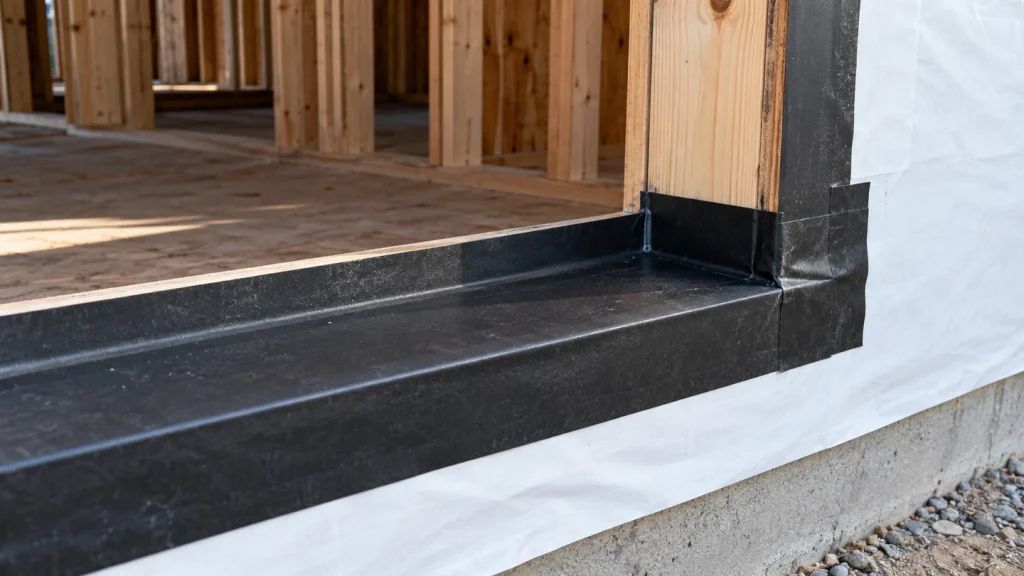 Upgrade outdated windows with solutions built for comfort, efficiency, and style.
With glass performance covered, compare styles by function, access, and visibility.
Style and Customization: Function?
Separate what you need the window to do from how you want it to look.
| Style | Function to evaluate | Cost or installation consideration |
|---|---|---|
| Picture | Maximum light and no moving parts | Lowest cost |
| Sliding | Horizontal operation and view | Simple hardware |
| Double-hung | Ventilation and cleaning access | Mid-range |
| Casement | Tight seal and high energy efficiency | Operating hardware |
| Bay or bow | View and usable interior space | Multiple units and more complex framing |
| Specialty shape | Architectural fit | Custom fabrication |
Operation, access, and sizing serve practical needs. Grille patterns, colors, and hardware are decorative choices. Reserve decorative spending for visible elevations.[2][6] Review the Double Hung Windows Guide before choosing an operating style.
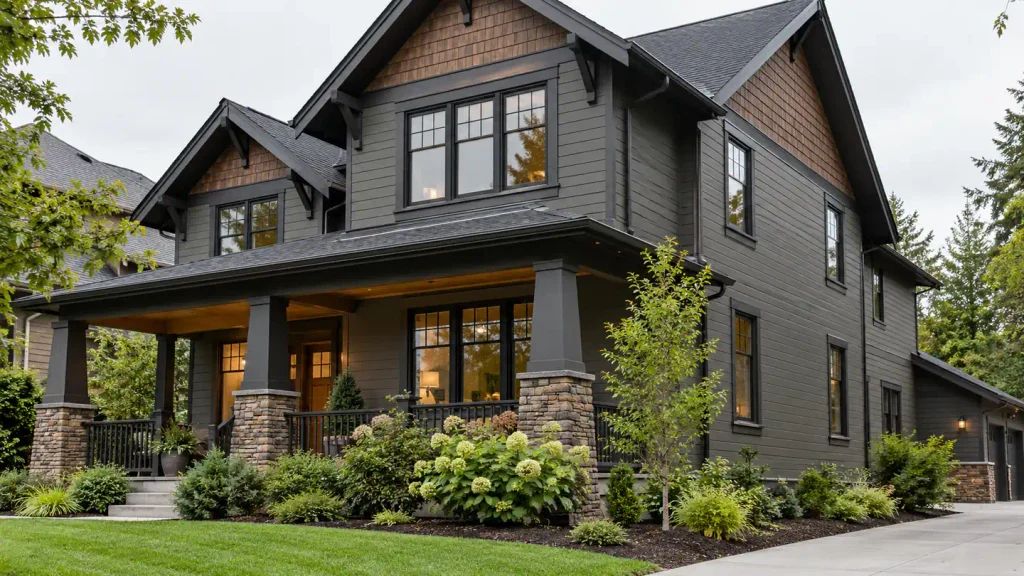
Pros and Cons: Which Approach Fits Each Room?
Compare options by room, not just by price. A standard configuration may be enough when a room has no special comfort or design needs. Upgrade only when the added feature solves a problem in that room.
| Approach | Advantages | Drawbacks | Best-fit situations |
|---|---|---|---|
| Standard configuration | Lower upfront cost; dependable function without extra customization | Fewer options for unusual architectural details or harsh exposure | Standard openings and rooms without major comfort problems |
| Targeted glass upgrades | Spend more on glass only in rooms that need it | Added cost; results depend on the exact glass package and installation | Sunny rooms and noise-exposed bedrooms |
| Premium design upgrades | Add design details in visible rooms where appearance matters most | Higher cost; custom orders may take longer to arrive | Highly visible windows or homes with specific design requirements |
Room-by-Room Recommendations
Let the room’s needs – light, privacy, noise, or curb appeal – guide how much you spend on upgrades.
| Room or opening | Why it matters | Upgrade or keep it simple? |
|---|---|---|
| Primary living spaces | Daily use can justify added interior detail | Upgrade to wood interiors where the room justifies the cost. |
| Front-facing windows | Visible details affect curb appeal | Upgrade selectively when the front elevation needs more detail. |
| Lower-use rooms | Useful light and ventilation matter more than customization | Keep it simple with the 100 Series or a fixed picture window when ventilation isn’t needed. |
Specialized glass can add $200–$600+ per window[2]. Ask how much it adds to the price, and make comfort – not payback – the goal.
Before approving upgrades, confirm that the opening itself is sound. For projects that combine repairs and upgrades, pay for rot or structural repairs before optional finishes.[4][6]
Final Verdict: Fix Problems Before Adding Options
When weighing standard and room-specific upgrades, pay for repairs and proper installation first. Then consider glass, style, materials, and decorative details. Insert replacement needs a sound frame; damaged or out-of-square frames generally need full-frame replacement.[6][7]
Decide whether to upgrade or keep things simple based on each room’s comfort needs, visible value, and how long you plan to stay in the home. Check that openings are dry and square, and separate required work from optional features.
Make sure the quote spells out the installation scope and written product and labor warranty terms. That way, basic work won’t be passed off as an upgrade.[2][3][4][7]
With the opening and installation details settled, compare matching specs and scopes – not just totals. Check the Andersen series, dimensions, glass package, installation method, and repair allowances.[2][7]
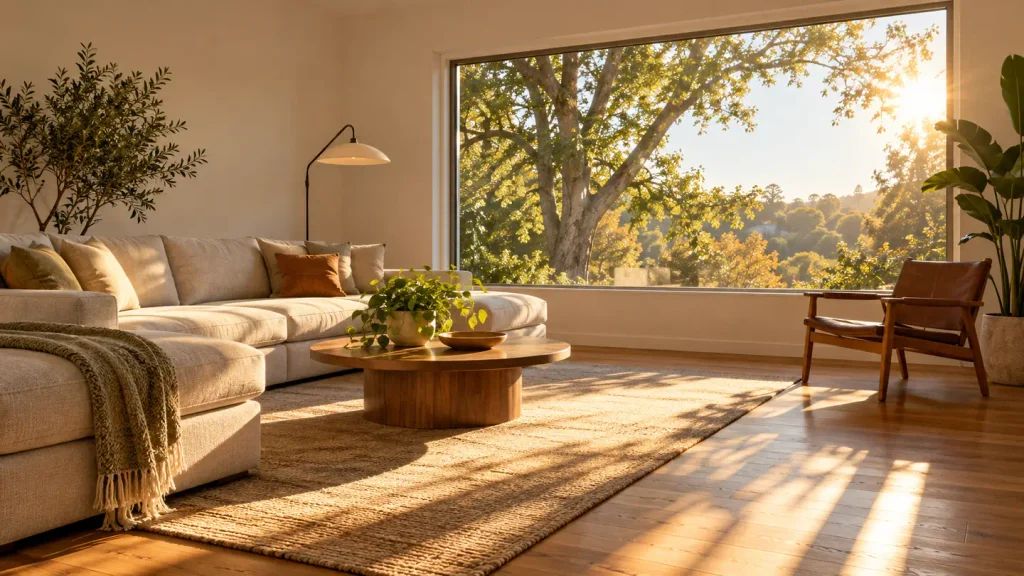
Use the Complete Window Replacement Guide to finish your room-by-room plan: fix problems first, then choose upgrades where they improve comfort, appearance, or function. See What Your Windows Project Costs
FAQs
What increases the cost of Andersen windows?
Andersen window costs rise with premium product series, frame materials, glass upgrades, custom sizes and shapes, finishes, and more complex installation work. A-Series and E-Series windows cost more because they offer more customization options and architectural detailing.
The installation method – insert or full-frame – and site conditions also affect the final quote. Andersen does not publish standard pricing, so you’ll need an in-home consultation with a certified dealer or contractor for an accurate quote.
What affects Andersen replacement windows cost besides the window itself?
The window itself is only part of the cost. Your total also depends on insert versus full-frame replacement, the number of openings, and how involved the installation is. Labor, access, repairs, trim, and permits all affect the price.
Product line, frame material, size, shape, glass, hardware, and operating style also influence pricing. Custom sizes, colors, and energy-efficiency upgrades cost extra.
Typical installed pricing runs roughly $700–$1,600 per window, depending on the configuration.
Are Andersen glass upgrades worth paying for?
They can be worth the extra cost if they address heat, glare, discomfort, fading, or noise in specific rooms. Upgraded glass packages add to the cost of Andersen windows, so ask which problem each upgrade addresses instead of choosing the same upgrades for every window.
Do homeowners need premium options on every window?
Usually not. Each room may need a different mix of glass, finishes, and features. A simpler setup can be a good value if the room has no major comfort issues.
Premium options cost more, but they may be worth it when better glass, customization, or architectural details meet specific needs. Focus upgrades where they’ll make a noticeable difference.
Where should homeowners avoid cutting costs?
Don’t cut corners on measurement, installation, sealing, structural repairs, or needed moisture fixes. Put these ahead of decorative upgrades.
Ask for quotes that itemize the window, installation method, and any required repairs. That way, you can compare what’s included, not just the total price.
How can homeowners keep the project budget under control?
Focus first on rooms you use most, separate optional upgrades from required work, and compare quotes with matching specifications. Product series, frame materials, glass upgrades, custom sizes, finishes, and installation complexity all affect the final price.
Andersen windows typically cost $700–$1,600 per installed window. Andersen doesn’t publish standard pricing, so schedule an in-home consultation with a certified dealer or contractor to get an accurate quote for your project.