

Most Pella window budget mistakes happen because people price the window, not the job. I’d plan for the installed cost, not just the unit price: labor alone often adds $100 to $900 per window, full-frame installs can cost 20% to 30% more, and permits may add $0 to $800. For broader planning context, review the window replacement cost guide. This factor also matters in a broader window replacement project.
Before I set a budget, I’d make sure these 10 things are covered:
- Compare installed quotes, not unit prices
- Check if the quote is insert or full-frame
- Set aside money for rot, flashing, or frame repair
- Match the same series, glass, trim, and warranty across quotes
- Pick the Pella line by room, not by brand alone
- Skip upgrades that don’t solve a clear problem
- Think about vinyl vs. fiberglass vs. wood upkeep
- Spend more on high-use rooms and front-facing areas
- Decide if whole-home or phased replacement makes more sense
- Fix small window issues before they turn into bigger repair bills
If I had to boil it down even more, the cost usually swings on just a few items: product line, install method, hidden repairs, upgrades, and labor in your area.
Quick Comparison
| Cost Driver | What changes the price |
|---|---|
| Window line | Encompass/250 cost less than Architect/Reserve |
| Material | Vinyl is often lower-cost; fiberglass and wood cost more |
| Install type | Full-frame usually costs more than insert |
| Glass package | Triple-pane, Low-E, and impact glass add cost |
| Job conditions | Rot, trim work, second-story access, and permits add cost |
| Project size | Phased projects can add repeat setup costs |
The main point: a low quote can get expensive fast if key work is missing. I’d only compare bids line by line and budget for the whole project from day one.
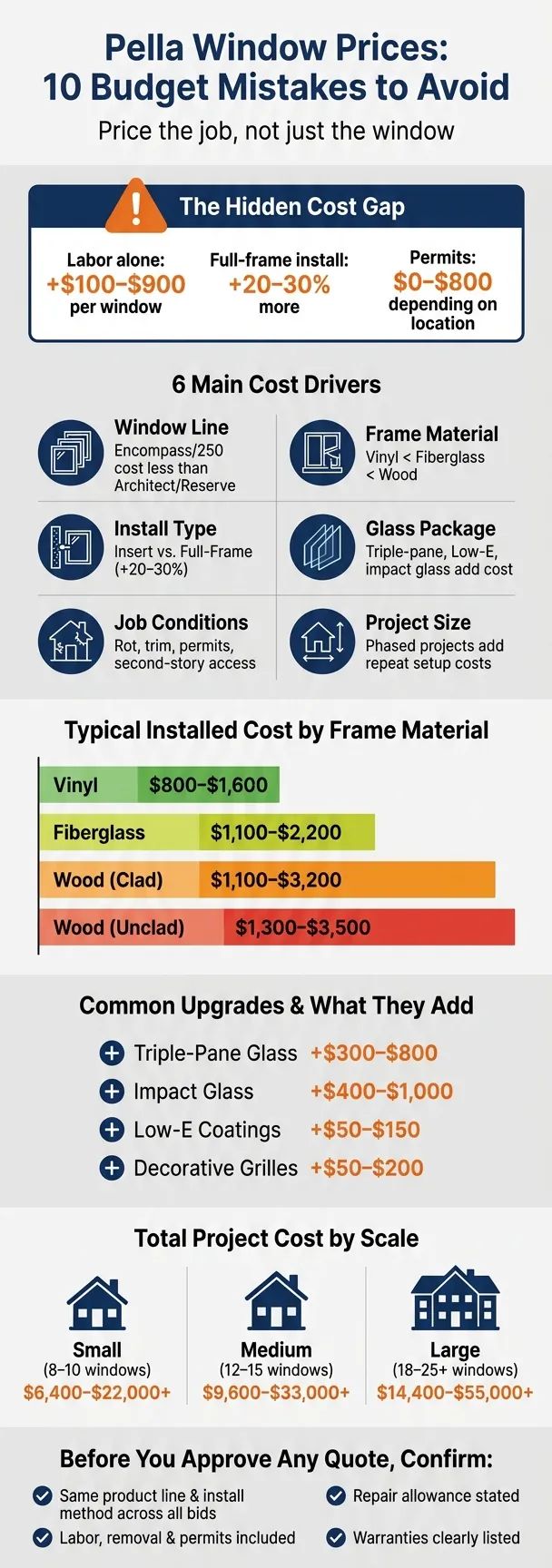 Pella Window Cost Drivers: What Really Changes the Price
Mistakes That Distort the Real Cost of a Window Project
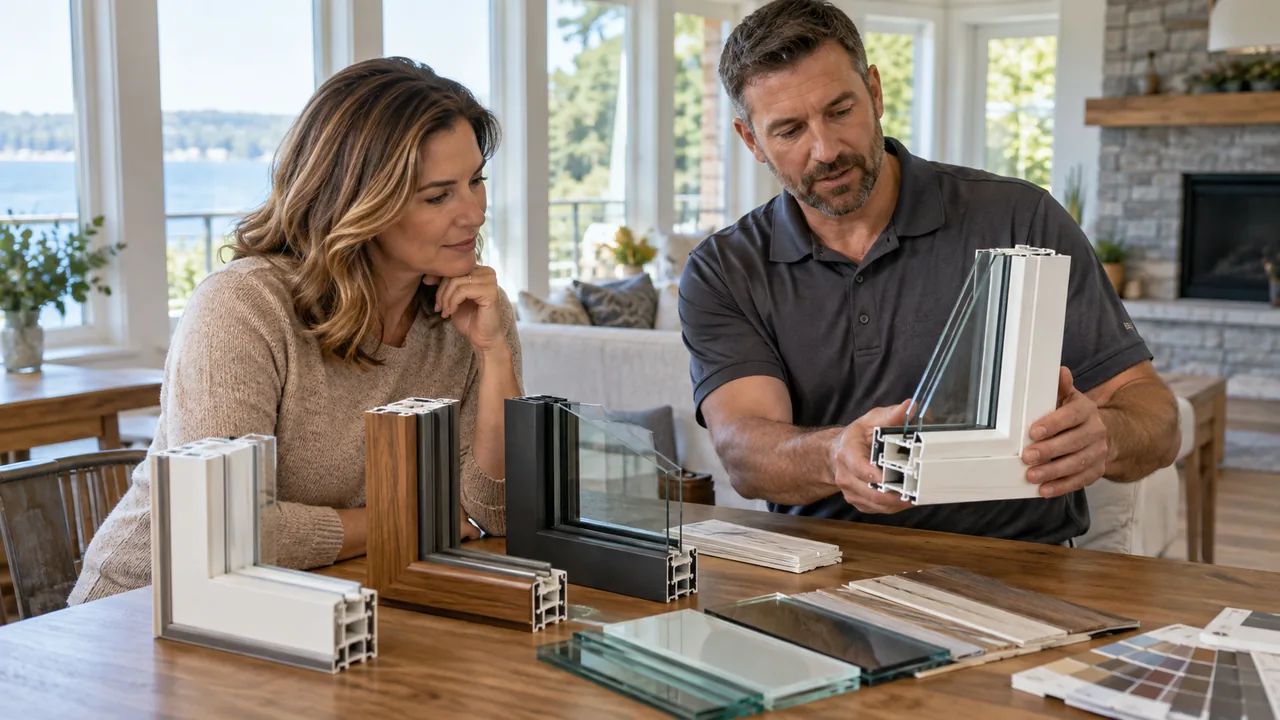
Budget Mistake #1: Comparing Product Price Without Installation Scope
A quote only means something if the scope is the same.
That’s where a lot of first estimates go off the rails. One contractor may show the window price only. Another may include labor, old window removal, disposal, air sealing, insulation, interior and exterior trim, and permit fees. On paper, the first quote looks cheaper. In practice, it may be missing half the job.
Permits alone can run from $0 to $800 depending on your city or county [7].
| Line Item | Window Unit Only | Installed Package |
|---|---|---|
| Product (Pella Unit) | Included | Included |
| Labor (Removal & Install) | Not included | Included ($100–$900 per window) |
| Sealing & Insulation | Not included | Included |
| Interior/Exterior Trim | Not included | Often optional or extra |
| Disposal/Haul-away | Not included | Often included (verify) |
| Permits | Not included | Often excluded |
The quote should also name the installation method. A full-frame replacement removes the existing frame and usually costs 20% to 30% more [5]. If that detail is missing, stop there and ask. Otherwise, you’re not comparing like for like.
"Even the best windows can underperform if they are not installed correctly. Poor installation can lead to air leaks, moisture intrusion, and reduced energy efficiency." – Jon Parker, American Home Contractors [4]
And even with a clear scope, one thing can still throw off the final number: what’s hiding behind the old window.
Budget Mistake #2: Ignoring Frame Damage and Hidden Repair Costs
Once the scope is clear, the next budget problem is what shows up after removal.
Soft wood, water stains, failed flashing, and damaged insulation often stay hidden until the old window comes out [4][2]. Hidden rot and failed flashing are often not visible until removal starts – and at that point, the repair has to happen before the new window can go in, which changes the installed price, not just the timeline [8][4].
Before you ask for quotes, walk around each window and check for warning signs:
- Soft or spongy wood around the frame or sill
- Water stains or discoloration near the bottom of the window
- Drafts you can feel with your hand near the edges
- Windows that stick, rattle, or no longer lock properly
- Cracked caulk, exterior gaps, or damaged siding nearby
If you notice any of those, build in a repair allowance before work starts [2].
Budget Mistake #3: Comparing Quotes Without Matching the Same Scope
After scope and repair risk, the next mistake is lining up quotes that look similar on the bottom line but cover very different work.
For example, one quote might include a Pella 250 Series vinyl window with an insert install and no trim work. Another might include a Pella Impervia fiberglass window with a full-frame install, new exterior trim, and a labor warranty. Same project? Not even close.
Material choice alone can shift the price by 25% to 60% [7]. Glass packages change the number too. Dual-pane with argon fill is priced differently than triple-pane with Low-E coating [2][3]. Warranty terms also vary. Pella typically offers a Limited Lifetime Warranty on the product, but installer labor warranties are usually only 2 years [3][6].
| Feature | Quote A | Quote B |
|---|---|---|
| Product Line | e.g., Pella 250 Series | e.g., Pella Impervia |
| Frame Material | e.g., Vinyl | e.g., Fiberglass |
| Size & Style | e.g., 36" × 60" Double-Hung | e.g., 36" × 60" Double-Hung |
| Glass Package | e.g., Dual-pane, Argon | e.g., Triple-pane, Low-E |
| Installation Method | e.g., Insert/Pocket | e.g., Full-Frame |
| Removal & Disposal | Yes / No | Yes / No |
| Trim & Finish Work | Standard / Custom | Standard / Custom |
| Warranty Coverage | Product only | Product + Labor |
| Total Installed Price | $ | $ |
If a contractor won’t itemize the quote, pay attention to that before you sign anything. A quote only helps when every line item matches.
Are Pella Windows Really Worth the Money? (Honest Expert Review)
Product Selection Mistakes That Push the Budget Too High
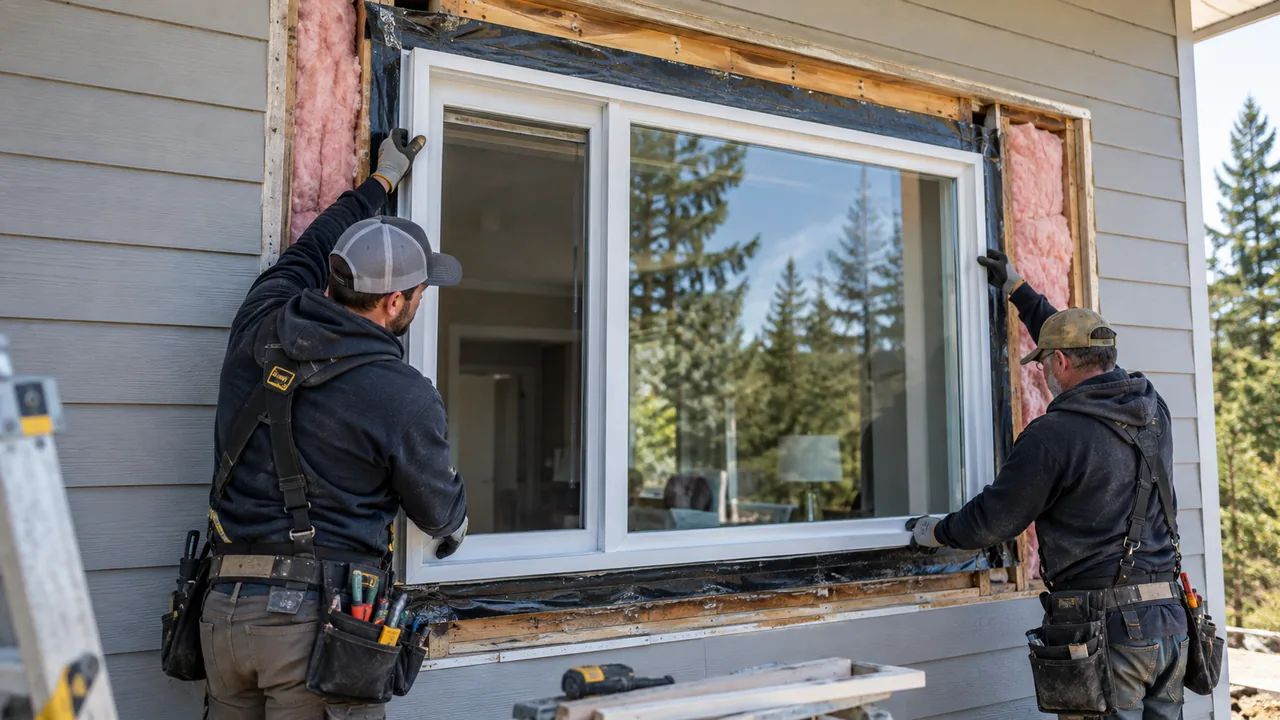

Once the quote scope is clear, the next place budgets go sideways is product selection. At that point, the issue isn’t just getting the right price. It’s making sure you’re buying the right window for each part of the house.
Budget Mistake #4: Choosing the Wrong Pella Product Line for the Home
Pella’s product range goes from lower-cost vinyl to high-end wood, and that spread can get expensive fast when you’re replacing windows throughout the house.
A common mistake is putting a premium line in every room, even when some spaces don’t need it. A front-facing living room window or a drafty primary bedroom may deserve a better product. A basement utility room or a back bedroom that barely gets used usually doesn’t.
Use Architect or Reserve where curb appeal or historic detail matters. In lower-priority rooms, 250 Series or Encompass often make more sense. Homeowners planning to stay put for years may get better long-term value from Impervia fiberglass or Lifestyle wood because of added durability. If you’re more focused on near-term value, vinyl is often the more practical choice [1][4].
Once the product line matches the house, the next budget trap is paying for extras that don’t fix an actual problem.
Budget Mistake #5: Paying for Upgrades Without Knowing the Benefit
Upgrades can help with comfort, performance, or maintenance. But they only make sense when the room calls for them.
Triple-pane glass can add $300–$800 per window and can make a real difference in bedrooms near busy roads or in homes dealing with extreme cold [2][8]. In a quiet room without those issues, that extra cost may be hard to justify. Low-E coatings are worth paying attention to in south-facing rooms that get hammered by sun, where fading and heat gain are real concerns, and they’re included in many Pella lines [2][3]. Decorative grilles add $50–$200 per window and are mostly about appearance, so they’re usually best on front-facing windows [7]. Impact glass can add $400–$1,000 and is best saved for coastal or high-wind areas [3]. Between-the-glass blinds are most useful in bedrooms, bathrooms, and other spots where privacy, cord safety, or dust control matter.
| Upgrade | Approx. Added Cost | Problem It Solves | Where It’s Worth It |
|---|---|---|---|
| Triple-Pane Glass | $300–$800 | Noise, extreme cold/heat | Bedrooms near roads; harsh climates |
| Low-E Coatings | $50–$150 | UV fading, solar heat gain | South-facing or sun-heavy rooms |
| Decorative Grilles | $50–$200 | Aesthetic mismatch | Front-facing windows for curb appeal |
| Impact Glass | $400–$1,000 | Storm damage, high winds | Coastal zones or high-wind areas |
| Between-the-Glass Blinds | Varies | Dust buildup, cord safety | Bedrooms and bathrooms |
A simple gut-check helps here: What problem does this upgrade solve in this room? If the answer is fuzzy, the add-on may not be worth the money.
After upgrades, frame material is the next choice that can either keep costs under control or push them higher.
Budget Mistake #6: Ignoring Frame Material and Maintenance Trade-Offs
Frame material affects what you pay upfront and what you deal with later.
Vinyl is usually the lowest-cost and lowest-maintenance option. Fiberglass handles temperature swings well. Wood gives you the most character, but it also asks the most from you over time.
Pella 250 Series is a tougher vinyl option than standard vinyl and usually runs $800–$1,600 installed [1]. Fiberglass, like Impervia, runs $1,100–$2,200 installed and tends to hold its shape better in places with big seasonal temperature swings [1][3]. Wood, whether clad or unclad, gives you the most room for customization and visual appeal, but it also comes with the highest price tag and the most upkeep [1][4][8].
| Material Type | Typical Installed Cost | Maintenance Level | Best-Fit Use Case |
|---|---|---|---|
| Vinyl | $800–$1,600 | Very Low | Budget-conscious projects, rentals, moisture-prone areas |
| Fiberglass | $1,100–$2,200 | Low | Extreme climates, long-term durability needs |
| Wood (Clad) | $1,100–$3,200 | Moderate | Historic homes, premium interior aesthetics |
| Wood (Unclad) | $1,300–$3,500 | High | Authentic restoration, custom staining |
For most homeowners replacing several windows at once, vinyl or fiberglass is often the practical route. If you like the look of wood but don’t want as much upkeep, the Pella Lifestyle series offers a wood interior with a low-maintenance aluminum-clad exterior [3].
Material choice shapes both what you spend today and what you may keep paying for in maintenance later.
How to Spend Smarter Room by Room
Budget Mistake #7: Treating Every Window in the Home the Same
Once you’ve picked the product and material, the next money call is simple: where should you spend more, and where can you hold back?
Every room asks something different from a window. A front-facing living room, a chilly bedroom, and a basement utility area do not need the same thing. If you give all of them the same budget, it’s easy to spend too much in the wrong places.
Spend more here: Living rooms and dining rooms usually carry more visual weight, so larger picture windows, bay or bow windows, or premium wood lines can make sense there [3]. Bedrooms near busy roads are often good spots for triple-pane glass because it can cut outside noise and help with insulation [2][8]. Rooms that take heavy sun or deal with big temperature swings may be worth the extra cost for fiberglass frames, which resist warping and keep tighter seals than vinyl [4][8].
Spend less here: Secondary bedrooms and basements often do just fine with lower-cost vinyl windows [3].
Kitchens and bathrooms are a little different. They often need casement or awning windows to help with airflow, and local code may call for tempered glass in low or wet areas.
Budget Mistake #8: Choosing Brand Name Over Room Fit
Room function matters just as much as room priority. A well-known brand doesn’t automatically mean the window is right for that space.
The better move is to match the window to how the room works day to day: airflow, cleaning access, privacy, and curb appeal all matter.
A casement window in a kitchen can make daily use easier. A double-hung window on an upper floor lets you clean both sashes from inside [4][3]. A picture window in a living room works well when the goal is curb appeal and clear views [3].
Before you lock in a product, think about what that window will need to do in that room. That’s where the money choice gets smarter.
Budget Mistake #9: Not Planning for the Whole Home or a Phased Project
After you’ve set room priorities, the next step is deciding whether to replace everything at once or break the job into phases.
This is where setup costs can sneak up on you. Mobilization fees, or crew setup costs, add up fast when installers have to come back for multiple visits. A whole-house project pays that cost once. A phased project pays it again and again.
Phasing can still make sense if money is tight. But if you go that route, start with the worst windows first:
You can also group windows by floor or by one side of the house. That can cut down on installation visits and keep setup costs lower between phases [5].
| Project Scope | Typical Installed Range |
|---|---|
| Small (8–10 windows) | $6,400–$22,000+ [5] |
| Medium (12–15 windows) | $9,600–$33,000+ [5] |
| Large (18–25+ windows) | $14,400–$55,000+ [5] |
Make your home more energy efficient with trusted window installation services.
Final Budget Checklist Before You Approve a Quote
Budget Mistake #10: Waiting Until Small Window Problems Become Costly Repairs
A sticking sash or small draft can point to moisture, seal failure, or rot behind the frame. Put it off, and you may end up needing a full-frame install instead of a standard insert installation. That usually costs 20% to 30% more [5].
If you notice soft trim starting to rot, water marks near the sill, or windows that no longer lock or close cleanly, it makes sense to deal with it now while the job is still smaller and easier to price.
Use the checklist below to compare each installed quote on the same terms.
Homeowner Checklist for Comparing Installed Pella Window Prices
A final quote only helps if you compare each line item side by side.
- Product line and frame material match across quotes
- Installation method matches across quotes
- Glass package and upgrades match across quotes
- Labor, removal, disposal, and cleanup are included
- Trim, sealing, and flashing are listed
- Repair allowance is stated
- Permits are included or excluded
- Product and labor warranties are clear
Next Step: Get a Clear Project Quote Before Setting Your Budget
The best quote reflects your home’s condition, the product you chose, and the full scope of work. If even one line item is missing, ask for a revised installed quote before you approve the job. Get Your Free Windows Quote and get a clear installed quote before you set your budget.